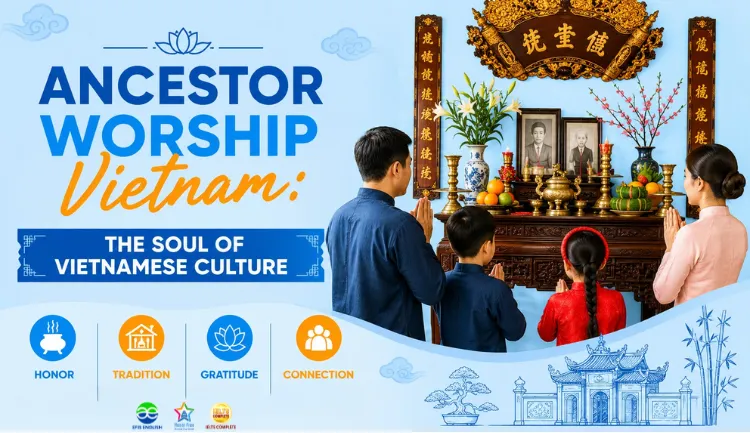
Ancestor worship in Vietnam is a cornerstone of the nation’s culture, reflecting profound respect for family and heritage. This tradition shapes daily life and spiritual beliefs across the country. For travelers, understanding the practice of ancestor worship Vietnam embraces offers deep insights. It reveals the heart and soul of Vietnam.
In Vietnam, ancestor worship is not merely a religion; it is the bedrock of the entire culture, predating the widespread adoption of Buddhism and Confucianism. Rooted in the ancient concept of filial piety, ancestor worship in Vietnam is founded on the belief that the deceased continue to exist in a parallel spiritual realm and maintain a protective interest in the affairs of their living descendants. By honoring ancestors, especially during major holidays like Lunar New Year and the death anniversaries, families ensure the harmony of the spirit world and, in turn, guarantee prosperity, health, and good fortune for the household. It is a powerful, everlasting contract of mutual respect that binds generations together and serves as the ultimate expression of gratitude.
The sacred altar: Focal point of ancestor worship in Vietnam
Every Vietnamese home typically features an ancestral altar, central to the practice of ancestor worship in Vietnam. This altar is a place of reverence and remembrance, usually located in a prominent, respected area of the house. The altar serves as a connection point, linking the living with deceased relatives and forming a key element of Vietnamese ancestor worship.
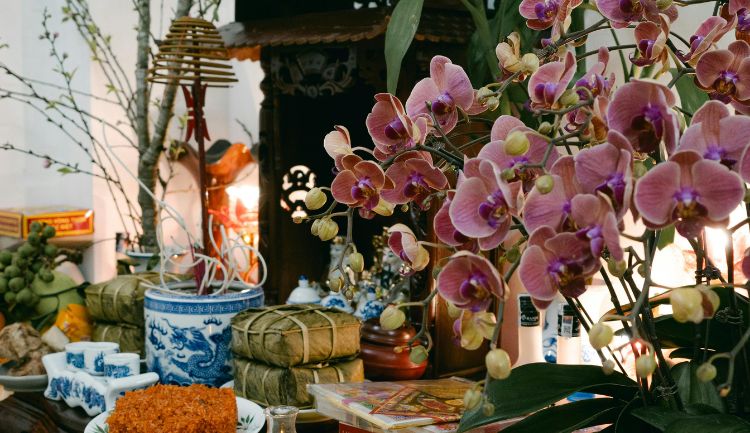
The altar’s appearance can vary depending on family traditions and wealth. However, common elements include incense burners, offering plates, and photographs of the ancestors. Sometimes, ancestral tablets inscribed with names are displayed, symbolizing the presence of the ancestors being honored through ancestor worship Vietnam style.
Ancestors are not always alone on the altar. Many Vietnamese homes and businesses also honor protective figures such as the Earth God or the Kitchen Gods nearby, each occupying its own place in the arrangement. Our guide to Iconic Figures on the Vietnamese Altar breaks down who these figures are and why their position matters.
Offerings in ancestor worship: Nourishing the spirits
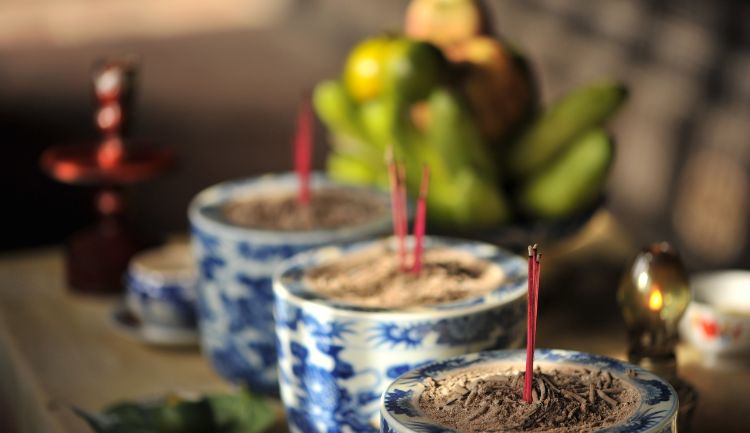
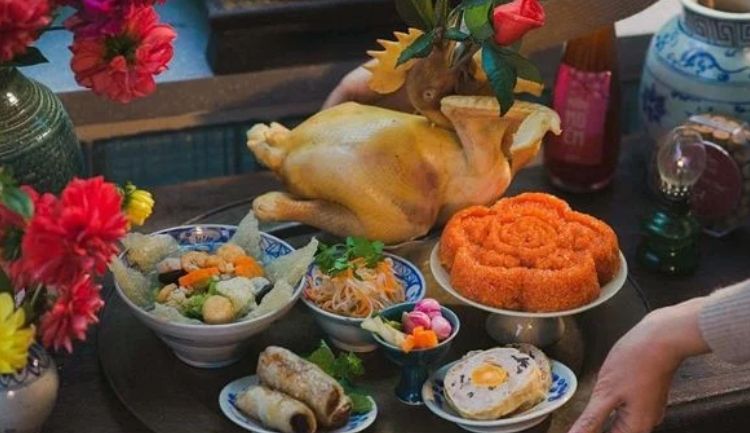
Offerings are integral to Vietnamese ancestor worship. These offerings are not just material gifts; they represent ongoing care, respect, and remembrance. Common offerings include fresh flowers, fruits, food, and drinks, often featuring traditional Vietnamese dishes like cooked rice, spring rolls, and sticky rice. These acts are central to how ancestor worship is practiced daily.
On special occasions, more elaborate offerings are made, such as roasted meats or whole chickens. Paper money and paper clothes are also burned, an act believed to provide for the ancestors in the afterlife, with the smoke carrying these symbolic provisions to the spirit world. Our guide to votive papers in Vietnamese culture explains the full meaning behind this ritual.
A miniature universe: The Five Elements on the Altar
Step closer to a Vietnamese ancestral altar, and you are looking at more than just a table; you are observing a meticulously arranged microcosm of the universe. This design adheres strictly to the principles of The Five Elements: Metal, Wood, Water, Fire, and Earth. For a family to maintain balance and peace, all five elements must be represented in harmony:
- Fire is embodied by the burning incense and candles;
- Wood by the altar itself and offerings of fresh flowers and fruit;
- Water by the small cups of tea or wine;
- Metal by the brass or bronze incense burner and ritual tools;
- and Earth by the incense ash and the ceramic offerings or the soil where the elements originated.
This careful arrangement channels cosmic energy, ensuring the space remains a conduit for good fortune.
One thing our volunteers often notice on a home visit is how personal the offerings really are. It’s rarely just fruit and rice. A grandfather’s favorite cigarettes, a grandmother’s plain rice porridge, small details like these tell you more about a family’s history than anything else on the altar.
Rituals and ceremonies : Honoring the past
Various rituals and ceremonies revolve around ancestor worship in Vietnam. These events mark important life cycle milestones and commemorate death anniversaries. Family gatherings often incorporate ancestral rites, reinforcing family bonds and passing down the traditions associated with ancestor worship Vietnam holds dear.
On the death anniversary of an ancestor, families organize special ceremonies, preparing a feast and inviting relatives and close friends. Prayers and invocations are offered, seeking the ancestors’ blessings and guidance – a key aspect of maintaining connection through ancestor worship in Vietnam.
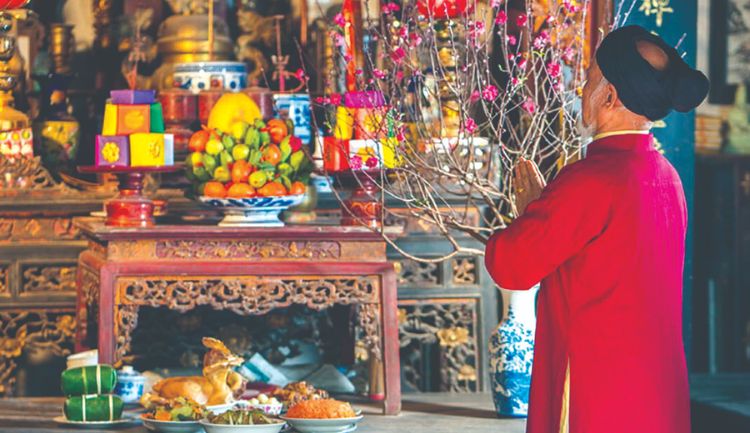
Lunar New Year (Tet) is the most significant time for ancestor worship observes. Before Tet, families meticulously clean and decorate the ancestral altar, making abundant offerings to welcome the ancestral spirits home for the celebration. This is seen as a time of joyous reunion between the living and the departed.
When do Vietnamese families perform ancestor worship rituals?
Vietnamese families perform ancestor worship rituals on a mix of monthly, annual, and seasonal occasions, each with its own customs.
| Occasion | Vietnamese Name | When | What Happens |
| Monthly offerings | Mùng Một & Rằm | 1st and 15th of every lunar month | Incense, tea, fruit, and flowers offered at the home altar |
| Death anniversary | Giỗ | The lunar date of a relative’s passing, every year | A family feast, storytelling, and burning votive papers |
| Lunar New Year | Tết | 1st to 3rd day of the lunar year | The altar is cleaned and decorated, ancestors are “invited” home |
| Ghost Month | Tháng Cô Hồn | 7th lunar month, 2nd to 15th day | Ancestors are honored and wandering spirits are also fed |
Cultural significance : Shaping society
Ancestor worship’s influence extends deeply into social values, emphasizing filial piety and respect for elders. This tradition strengthens family unity and cohesion, teaching younger generations the importance of remembering one’s roots and heritage through the lens of Vietnamese ancestor worship.
This practice also plays a role in community life. Village temples often house communal altars honoring the founding ancestors or tutelary deities of the village. These shared spaces foster a sense of belonging and reinforce collective identity, showing the broader community impact of ancestor worship in Vietnam.
For travelers, observing these practices offers a unique cultural experience, providing insights into Vietnamese values and beliefs tied to ancestor worship. Showing respect for these traditions is greatly appreciated and can lead to more meaningful interactions with local people.
Regional variations: Diverse expressions
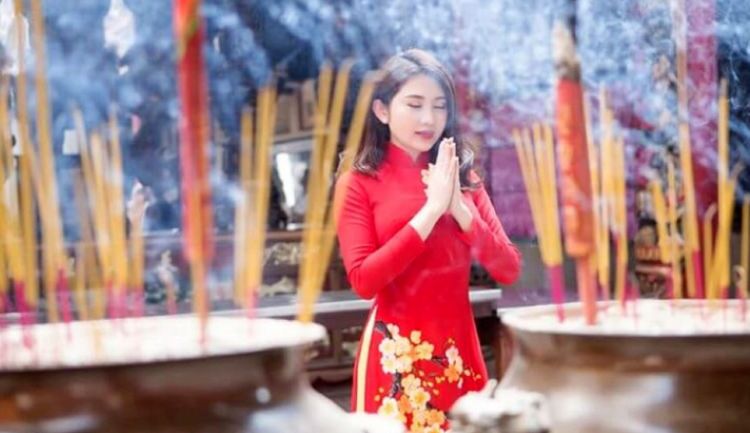
While the core principles of respect and remembrance remain the same, the expression of ancestor worship Vietnam sees can vary regionally. Different areas might have unique customs, rituals, and specific types of offerings, reflecting the diverse cultural tapestry of Vietnam.
In some regions, elaborate processions, music, or traditional performances might accompany ancestral ceremonies. Exploring these regional differences can enrich a traveler’s understanding of the dynamic nature of ancestor worship in Vietnam.
Ancestor worship in modern Vietnam: Continuity and change
Despite rapid modernization, ancestor worship in Vietnam remains a vital part of contemporary society. While urban families might adapt practices, perhaps with smaller altars, the tradition persists, integrating into modern lifestyles while retaining its core significance.
Younger generations continue to participate in ancestral rites, recognizing the importance of ancestor worship Vietnam upholds in preserving their cultural identity. This continuity ensures that this ancient tradition will endure, shaping Vietnamese society for years to come.
Book our free tour guide!

Hanoi Old Quarter Walking Tour
❤❤❤❤❤ (TripAdvisor / GetYourGuide)
Historical Tour – Walking Tour – Small Group
⚑ 3 – 4 hours
✎ Free Tour – Free Cancellation

Hanoi Cultural Exchange
❤❤❤❤❤ (TripAdvisor / GetYourGuide)
Local – Most Popular – Small Group
⚑ 3 – 8 hours
✎ Free Tour – Free Cancellation
How does ancestor worship connect to Vietnam’s other spiritual traditions?
Ancestor worship Vietnam rarely stands alone. It sits at the center of a wider web of customs, and following any single thread quickly leads to the next. Death anniversaries, votive paper burning, altar figures, and Ghost Month all grow out of the same core belief: that the dead remain present and deserve ongoing care.
- Death anniversaries (giỗ): the most personal expression of ancestor worship, held on the lunar date of a relative’s passing. See our guide to Vietnamese Death Anniversary for what a typical Giỗ ceremony looks like.
- Votive papers (vàng mã): the paper money, clothes, and goods burned so ancestors are provided for in the afterlife. Our Votive Papers in Vietnamese Culture guide covers the symbolism behind the smoke.
- Figures on the altar: ancestors share altar space with protective deities like the Earth God and the Kitchen Gods. Our guide to Iconic Figures on the Vietnamese Altar explains who’s who and where each one sits.
- Ghost Month (Tháng Cô Hồn): the 7th lunar month, when ancestor worship widens into compassion for wandering souls with no descendants of their own. Read more in Ghost Month in Vietnam.
Together, these practices form one continuous system of care for the dead, expressed differently depending on the occasion, the person being honored, and the time of year.
How can travelers respectfully witness ancestor worship in Vietnam?
When visiting homes, temples, or communal houses in Vietnam, you will likely encounter ancestral altars. It is important to show respect in these sacred spaces. Avoid pointing directly at the altar or ancestral portraits, dress modestly, and behave respectfully. Remember you are observing a key part of worship cherishes.
If you are invited to participate in an ancestral ceremony, consider it a significant honor. Observe the rituals quietly and respectfully. If unsure about etiquette, follow the lead of your hosts. Your respectful curiosity towards the traditions of ancestor worship in Vietnam will be appreciated.
Understanding ancestor worship’s traditions will significantly enhance your travel experience. It allows you to connect with the local culture on a deeper level and gain a greater appreciation for the values and beliefs that shape Vietnamese life.
The everyday soul of Vietnam
Ancestor worship Vietnam touches nearly every part of daily life, from the incense lit each morning to the elaborate feasts prepared for Tết and death anniversaries. It is woven into how Vietnamese families make decisions, mark milestones, and stay connected across generations and distance. For travelers, recognizing this thread, in a home altar, a temple offering, or a quiet bow before a family meal, turns a simple visit into a genuine cultural encounter. If a particular custom catches your interest, our guides to Vietnamese death anniversaries, votive papers, and Ghost Month go deeper into the rituals mentioned here. Embrace the chance to witness this enduring practice firsthand. It offers one of the clearest windows into the soul of Vietnam.
FAQs about ancestor worship in Vietnam
Ancestor worship predates Buddhism, Taoism, and Confucianism in Vietnam, with roots tracing back to the Đông Sơn culture more than 2,000 years ago. It developed as an independent belief system before blending with Confucian filial piety and Buddhist ideas of merit.
Yes. Ancestor worship crosses religious lines in Vietnam and is practiced by Buddhist, Catholic, and non-religious families alike. It functions as a cultural obligation rather than a competing faith, so a Catholic household will typically still keep an altar for grandparents alongside attending church.
Yes, if invited by a local family or observed respectfully at a temple or communal house. Dress modestly, avoid pointing at the altar, and follow the lead of your hosts, since these are genuine spiritual moments rather than staged demonstrations.
Altar offerings such as food, flowers, and tea are meant to nourish the ancestors’ spirit during a ceremony. Votive papers (vàng mã) are burned separately to symbolically send money, clothing, and goods to the afterlife. Our guide to votive papers in Vietnamese culture covers this in detail.