In Vietnam, rice is far more than just food. It is the beating heart of daily life, a symbol of prosperity, and a cultural cornerstone that stretches back thousands of years. From lush paddies in the Mekong Delta to humble family meals and elaborate ancestral offerings, Vietnamese rice culture shapes the nation’s traditions, economy, and identity.
The origins of rice in Vietnam
Archaeological evidence shows that rice has been cultivated in Vietnam for over 4,000 years. The ancient Đông Sơn civilization, flourishing along the Red River Delta, practiced wet rice agriculture, a technique still widely used today. Over the centuries, rice became intertwined with spiritual beliefs, seasonal rhythms, and social customs.
Vietnam’s two major rice-producing regions, the Red River Delta in the north and the Mekong Delta in the south, contribute to the country’s place among the world’s top rice exporters. Yet, while rice is a major export commodity, it holds even greater value at home.
Rice in daily Vietnamese life
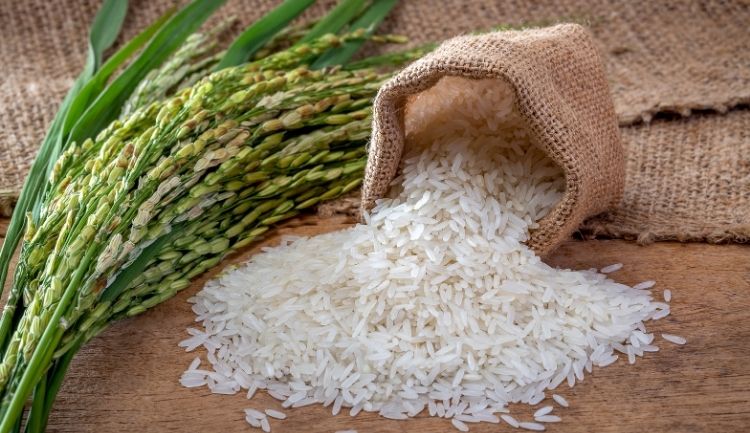
Rice appears on virtually every Vietnamese table, in every meal, in every region. It’s the essence of everyday cuisine — humble yet essential.
- Cơm (cooked rice) is the centerpiece of most home-cooked meals.
- Bánh chưng and bánh tét, traditional rice cakes made with sticky rice and mung beans, are indispensable during Tết (Lunar New Year).
- Xôi (sticky rice) is eaten for breakfast, often topped with mung beans, shredded chicken, or peanuts.
- Even desserts like chè and drinks like rượu nếp (fermented rice wine) showcase rice in creative ways.
From cradle to grave, rice accompanies people through life’s milestones — weddings, anniversaries, ancestor worship, and funerals — serving both practical and symbolic roles.

Vietnamese Rice Culture: Spiritual and cultural significance
In Vietnamese folk belief, rice is sacred. Many rural families still honor Thần Lúa (the Rice Spirit) and believe in the soul of the rice plant. During festivals and ancestral rites, rice is offered to ancestors on home altars, believed to nourish spirits in the afterlife.
Traditional farming practices are also infused with cultural rituals — from praying for rain to giving thanks after harvest. Some communities still celebrate Lễ Hạ Điền and Lễ Thượng Điền, ceremonies marking the start and end of the rice growing season.
Rice farming as a way of life
Rice cultivation in Vietnam is not just agriculture — it’s a rhythm of life deeply rooted in community. Villagers in rural areas wake before dawn to tend to paddies. Generations work side-by-side in flooded fields, planting and harvesting by hand, often using traditional tools.
Though modern machinery is increasing in use, in many parts of the country, rice farming remains labor-intensive and community-driven. Seasonal cycles still dictate village life, with planting and harvesting treated as collective efforts.
This relationship with rice fosters deep respect for nature, family cooperation, and perseverance — traits that continue to define Vietnamese rural identity.

Regional variations in Vietnamses rice culture
While rice is ubiquitous across Vietnam, each region has its own customs and preferences:
- In the north, rice is mostly consumed in the form of plain white steamed rice or sticky rice. Cold winters inspire hearty rice-based dishes like cháo (rice porridge).
- In the central region, where land is less fertile, rice is often stretched with sweet potatoes or cassava. Yet it’s also where intricate rice-based cakes and snacks flourish.
- In the south, the rice culture is shaped by the bounty of the Mekong Delta, where multiple rice crops can be grown each year. Southern dishes like cơm tấm (broken rice) and bánh xèo (savory rice pancakes) reflect this abundance and creativity.
» Vietnamese Women’s Day – October 20 in Vietnamese Cultural
» Vietnamese Letter System : Alphabet and Language
Vietnamese rice culture in a modern context
As Vietnam continues to urbanize and globalize, rice remains a thread connecting the past with the present. Street food stalls, school lunches, upscale restaurants — all continue to serve rice in its many forms.
Moreover, rice has become a symbol of Vietnam on the international stage. From export brands to culinary tourism, it represents the resilience, creativity, and soul of the nation. In urban areas, while people may experiment with new diets and cuisines, traditional rice-based meals are still the comfort food that ties them back to home and heritage.

How travelers can explore Vietnamese Rice Culture
If you’re visiting Vietnam, exploring the country’s rice culture can be one of the most enriching experiences. Here’s how:
- Visit a rice paddy village in the Red River or Mekong Delta. Some homestay experiences allow you to plant or harvest rice alongside locals.
- Try regional rice dishes — from northern sticky rice to southern broken rice, every bite tells a story.
- Attend a cooking class focused on traditional dishes like bánh chưng, bánh cuốn, or xôi.
- Tour markets to see the sheer variety of rice and rice products used daily.

To deepen your cultural immersion in Hanoi, consider booking a free tour guide with the Hanoi Free Private Tour Guide Club. These local student volunteers offer personalized walking tours that can include visits to markets, traditional eateries, and even rice-related cultural sites. It’s a great way to see how rice weaves through Vietnam’s daily life — with insights only a local can provide.
Explore Vietnam’s rice heritage up close with Hanoi Free Private Tour Guide Club — join a free walking tour led by passionate local students today!
FAQ: Vietnamese Rice Culture
Rice symbolizes life, prosperity, and connection to the land. It’s central to meals, spiritual rituals, and community traditions in Vietnam.
Vietnam uses various types, including white long-grain rice for daily meals, sticky rice (nếp) for cakes and ceremonies, and broken rice (tấm) for special dishes in the south.
Yes, some rural communities celebrate festivals marking planting and harvest seasons, and rice dishes play a major role in Tết celebrations.
Cooked rice is placed on altars as an offering to ancestors, believed to nourish their spirits in the afterlife and bring blessings to the family.
Yes! Homestays in the Mekong or Red River Delta offer farm experiences. You can also book free walking tours with local guides in Hanoi to learn about rice in urban culture.
________________________________________
HANOI FREE PRIVATE TOUR GUIDE
✤ Website: Hanoi Free Private Tour Guide
✤ Adress: 158 Chua Lang, Dong Da, Hanoi
✤ Hotline: (+84) 97 63 69 796
✤ Mail: hanoifreeprivatetourguide@gmail.com
✤ English Course: Efis English
Read more
✧ Tipping culture in Vietnam: Need to know before you go
✧ Hanoi Half Day Tour : Exploring Hanoi’s Heart with a Private Guide