The Ho Chi Minh Complex stands as the most sacred and emotionally powerful site in all of Vietnam. Spread across the western edge of Ba Dinh Square in central Hanoi, this remarkable compound holds the legacy of the nation’s founding father, Uncle Ho, in a way no history book ever could. This article covers everything you need to know before you visit: what’s inside, how to plan your trip, insider tips, and why no trip to Hanoi is complete without it.
What is the Ho Chi Minh Complex and Why does It Matter?
The Ho Chi Minh Complex is a sprawling heritage precinct located on Hùng Vương Street in the Ba Đình District of Hanoi. It is the political and spiritual heart of modern Vietnam, drawing over 3–4 million visitors every year, both Vietnamese pilgrims and international travelers. The complex isn’t just a tourist attraction; it is a living national monument that reflects the soul of a country forged through decades of revolution and resilience.
President Hồ Chí Minh, affectionately known as “Uncle Ho”, led Vietnam through its struggle for independence and unified the country under socialist governance. His image, gentle, determined, wearing simple clothes, is everywhere in Vietnam. But it is here, at the complex that bears his name, where you truly feel the depth of the people’s love for him. For Vietnamese visitors, this is a place of solemn reverence. For foreign travelers, it is a window into a history that shaped the entire 20th century.
Exploring Each Site Within the Ho Chi Minh Complex
1. Ho Chi Minh Mausoleum (Lăng Bác): The Heart of the Complex
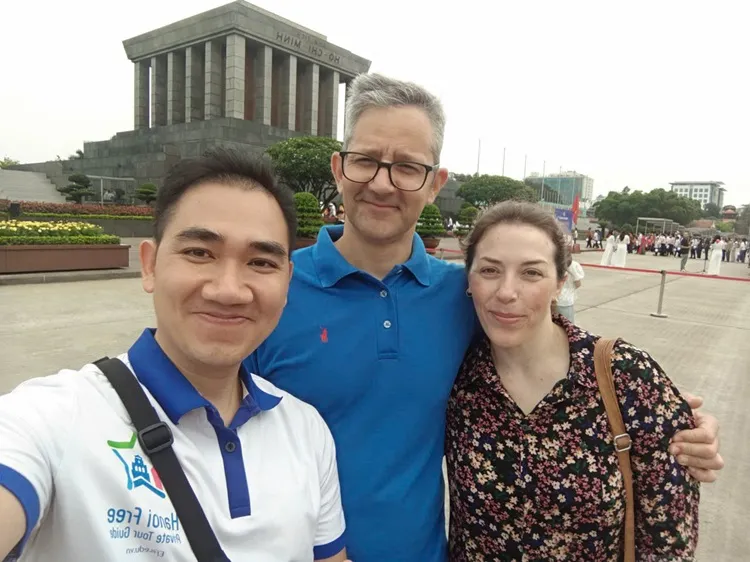
The Ho Chi Minh Mausoleum is undeniably the emotional centerpiece of the entire complex. Built from 1973 to 1975 and inspired partly by Lenin’s Mausoleum in Moscow, the granite structure rises 21.6 meters above Ba Dinh Square, where Ho Chi Minh read Vietnam’s Declaration of Independence in September 1945.
Inside, visitors file silently through climate-controlled chambers to view Ho Chi Minh’s preserved body, dressed in a simple khaki uniform and lying in a glass case. The experience is deeply moving, silence is strictly enforced, cameras are prohibited inside, and guards ensure complete respect throughout. His body is periodically sent to Russia for preservation maintenance, during which the mausoleum closes (typically October–November annually). Always check the schedule before visiting.
Insider tip from our volunteer Minh (age 24): “Arrive before 7:30 AM on weekdays. The queue gets incredibly long by 8:30 AM, especially on weekends. Wear long sleeves and keep your voice low, the guards are very strict, but they’re also kind if you show genuine respect.“

2. Presidential Palace (Phủ Chủ Tịch): A Colonial Relic with a Revolutionary Story
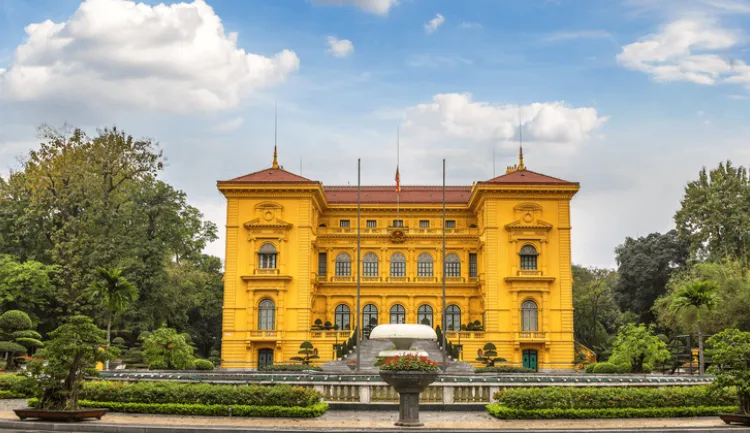
The Presidential Palace, known locally as Phủ Chủ Tịch, is a stunning yellow French colonial mansion built between 1900 and 1906 as the official residence of the Governor-General of Indochina. Ironically, Ho Chi Minh, a man who championed the poor, refused to live in it, calling it too grand and too representative of colonial oppression. Today it functions as a government guesthouse and cannot be entered by the public, but its gleaming exterior and manicured gardens make for a beautiful backdrop.
Walking past the Palace, you immediately sense the deliberate contrast between its imperial grandeur and the humble stilt house just steps away. This contrast was intentional on Uncle Ho’s part, a powerful political statement made in wood and silence.
3. Uncle Ho’s Stilt House (Nhà Sàn Bác Hồ): The Most Human Spot in Hanoi
Of all the sites within the Ho Chi Minh Complex, the stilt house is arguably the most intimate. Ho Chi Minh lived in this modest wooden structure, built on stilts over a small pond, from 1958 until his death in 1969. The two-storey home contains just four small rooms: a study, a dining room, a bedroom, and a modest meeting room. Everything is preserved exactly as he left it.
What strikes visitors most is the simplicity. This was the home of a head of state, a leader who commanded armies, negotiated with world powers, and is worshipped by millions. Yet the bed is narrow, the furniture sparse, and the bookshelves are filled with worn paperbacks rather than leather-bound volumes. It’s a powerful lesson in humility that transcends politics entirely.

4. Ho Chi Minh Museum (Bảo Tàng Hồ Chí Minh): The Visionary Exhibition
The Ho Chi Minh Museum, opened in 1990 on the centenary of his birth, is one of Southeast Asia’s most architecturally striking and intellectually ambitious museums. The building itself, a white lotus-shaped structure, is a work of art. Inside, the exhibition covers his life chronologically and thematically, featuring original documents, photographs, personal belongings, and striking modernist art installations.
The museum’s design blends realism and symbolism: visitors move through two conceptual themes, “The Road” (his revolutionary journey) and “The Cause” (his vision for Vietnam). Some of the surrealist display chambers may feel unconventional, but they are deeply intentional. Entry fee is approximately 40,000 VND (~$1.60 USD), making it one of the most affordable museum experiences in the city.
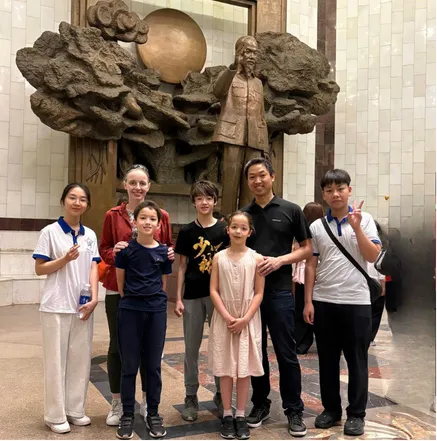
5. One Pillar Pagoda (Chùa Một Cột): Ancient Grace on One Column
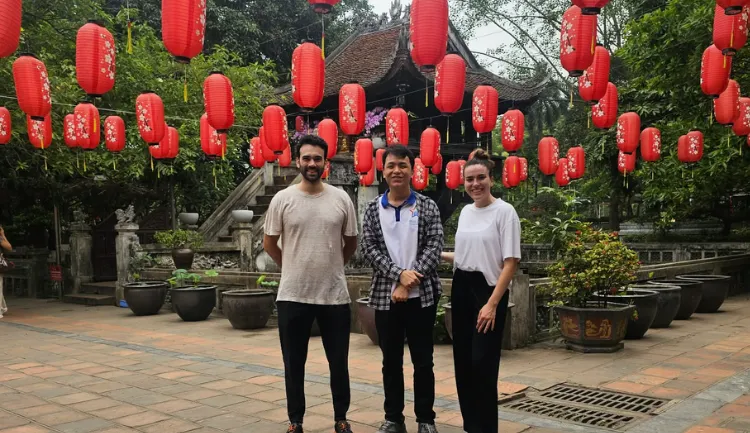
Just a short walk from the Mausoleum stands the One Pillar Pagoda (Chùa Một Cột), one of Vietnam’s most recognizable and beloved religious symbols. Originally built in 1049 by Emperor Lý Thái Tông, the small wooden pagoda sits atop a single stone pillar rising from a square lotus pond. The current structure is a 1955 reconstruction (the original was destroyed by French forces upon their withdrawal from Hanoi).
The pagoda is dedicated to Quan Âm, the Bodhisattva of Compassion, and remains an active place of worship. Though small, it is enormously photogenic, best shot in the early morning when the light is soft and the crowds are thin. It represents the enduring spiritual culture of Hanoi and provides a beautiful counterpoint to the political gravitas of the rest of the complex.
How to Plan the Perfect Visit to the Ho Chi Minh Complex
Planning your visit carefully will make all the difference. The complex takes a full morning and closes two days a week, which makes it easier to fit into a private Hanoi city tour than to attempt on your own schedule. Here is a breakdown of everything you need to know:
Visiting Hours & Key Practical Information:
| Site | Opening Hours | Entry Fee | Notes |
| Ho Chi Minh Mausoleum | Tue–Thu & Sat–Sun: 7:30–10:30 AM | Free | Closed Mon & Fri; closed ~Oct–Nov for maintenance (exact dates vary — check official notices) |
| Presidential Palace (exterior) | Same as complex grounds | Free | Interior not open to public |
| Uncle Ho’s Stilt House | Tue–Sun: 7:30–11:00 AM & 2:00–4:30 PM | Free | Grounds entry included |
| Ho Chi Minh Museum | Tue–Sun: 8:00 AM–5:00 PM | ~40,000 VND (~$1.60) | Closed Mondays |
| One Pillar Pagoda | Daily: 6:00 AM–6:00 PM | Free | Active place of worship |
| Ba Dinh Square (grounds) | Daily, open air | Free | Best at sunrise or ceremony days |
How to Get There:
The Ho Chi Minh Complex is located at 2 Hùng Vương Street, Ba Đình District, Hanoi. It is easily accessible by:
- Grab (rideshare): The most convenient option, 10–20 minutes from Hoan Kiem Lake depending on traffic
- Bus: Lines 09, 22, 33, and 45 serve the Ba Dinh area, though due to security regulations around the complex, bus stops may be a short walk from the main entrance, factor in an extra 5–10 minutes on foot
- Walking / cycling: Highly recommended if you’re staying in the Old Quarter, a scenic 3–4 km walk along tree-lined boulevards
- Cyclo: A wonderfully atmospheric way to arrive, especially in the early morning
Dress Code & Etiquette:
Visitors to the Mausoleum must adhere to a strict dress code: shoulders and knees must be covered, and hats must be removed before entering. Large bags, backpacks, and bulky electronic devices (cameras, tablets, large phones) must be deposited at the official checkroom near the entrance before you join the queue, you cannot carry them inside. Smaller items like wallets and passports are fine to keep on your person. No photography is permitted inside the Mausoleum itself. Silence and a slow, respectful pace are expected throughout. Locals take offense at casual behavior at this site, and so do the guards.
Ba Dinh Square: The Stage of History
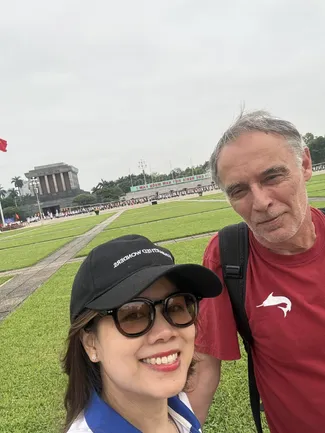
Ba Dinh Square (Quảng Trường Ba Đình) is the vast open plaza directly in front of the Mausoleum, and it deserves a moment of your time on its own terms. This is where Ho Chi Minh stood on September 2, 1945, and read Vietnam’s Declaration of Independence to a crowd of hundreds of thousands, formally ending French colonial rule and establishing the Democratic Republic of Vietnam.
Today, Ba Dinh Square hosts national flag ceremonies every morning at 6:00 AM and evening at 9:00 PM (times shift slightly with sunrise and sunset). Watching the changing of the guard, a deeply choreographed, military ceremony, is one of those quietly memorable travel moments that no amount of planning quite prepares you for.
Why the Ho Chi Minh Complex Is More Than a Tourist Stop
Visiting the Ho Chi Minh Complex is not simply a box to check on a Hanoi itinerary. It is an experience that changes how you understand Vietnam, its people, and the 20th century. Vietnamese visitors, from schoolchildren on field trips to elderly veterans, weep openly at the Mausoleum. The devotion is genuine, widespread, and deeply moving to witness, regardless of your own political views.
Our club’s volunteers have guided thousands of foreign visitors through these grounds, and the reaction is almost always the same: visitors arrive curious and leave humbled. One of our senior guides, Lan (age 34), puts it well: “I’ve walked through this complex over 300 times. Every time I see a foreign guest pause at the stilt house, really pause and think, I feel proud of what our country has to share with the world.”
If you’re seeking to understand Vietnam beyond its beaches and street food (as wonderful as those are), this is where you must come. The Ho Chi Minh Complex offers context that transforms the rest of your trip.
Comparison: Ho Chi Minh Complex Sites
| Site | Historical Period | Emotional Impact | Time Needed | Kid-Friendly? |
| Mausoleum (Lăng Bác) | 1945–1969 | ★★★★★ | 30–45 min (incl. queue) | Yes, with supervision |
| Presidential Palace | 1900–present | ★★★☆☆ | 15–20 min (exterior only) | Yes |
| Stilt House | 1958–1969 | ★★★★★ | 20–30 min | Yes |
| Ho Chi Minh Museum | 1890–1969 | ★★★★☆ | 45–90 min | Yes (older children) |
| One Pillar Pagoda | 1049–present | ★★★★☆ | 15–20 min | Yes |
| Ba Dinh Square | 1945–present | ★★★★★ | 20–30 min | Yes |
FAQs: People Also Ask About Ho Chi Minh Complex
Most of the Ho Chi Minh Complex is free, including the Mausoleum, Stilt House, Presidential Palace grounds, Ba Dinh Square, and One Pillar Pagoda. The Ho Chi Minh Museum charges a small entry fee of approximately 40,000 VND (~$1.60 USD). There is no general “complex entry fee.”
The Mausoleum is closed on Mondays and Fridays year-round. It also closes for approximately 6–8 weeks each year, typically falling around October to November, when Ho Chi Minh’s body is transported to Russia for preservation maintenance. The exact dates vary each year and are announced officially by the Mausoleum Management Board, so always verify the current schedule before planning a visit during this period.
A complete visit to all sites within the Ho Chi Minh Complex takes approximately 3 to 4 hours. Budget extra time on weekends when the Mausoleum queue can stretch significantly. Arriving before 8:00 AM on a Tuesday, Wednesday, or Thursday gives you the best experience with the smallest crowds.
Official audio guides are available at the museum. However, hiring a knowledgeable local guide significantly enriches the experience, especially for understanding the symbolism inside the museum and the historical context of Ba Dinh Square. The Hanoi Free Private Tour Guide club offers free, personalized walking tours of the complex led by passionate young Vietnamese volunteers.
Let the Ho Chi Minh Complex Speak to You
The Ho Chi Minh Complex is not just Hanoi’s most visited landmark; it is its most meaningful one. From the solemn stillness of the Mausoleum to the humble wooden rooms of the Stilt House, from the Buddhist grace of the One Pillar Pagoda to the wind-swept silence of Ba Dinh Square, every corner of this complex tells a story. It is a story of sacrifice, conviction, and a profoundly human kind of leadership. No matter where you come from or what you believe, visiting these grounds will leave you with something you didn’t arrive with: a deeper understanding of a nation and its people. Plan your visit carefully, dress with respect, and above all; take your time. The Ho Chi Minh Complex rewards those who slow down.
Read more
✧ 14 Best Craft Villages in Hanoi You Must Visit
✧ Top 12 Museums in Hanoi You Absolutely Must Visit