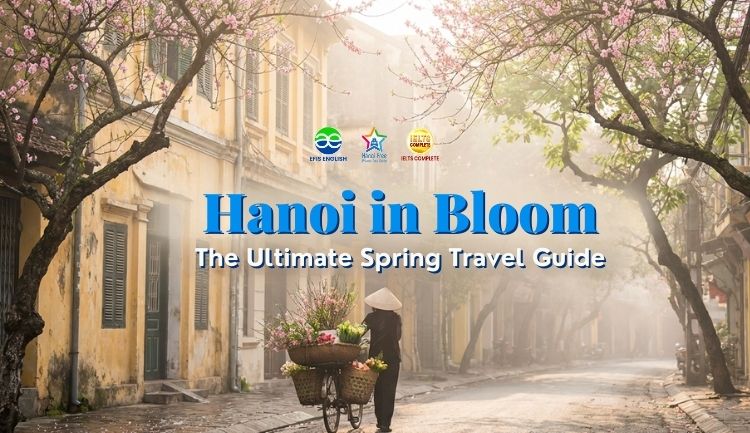
Visiting Hanoi in spring is one of the most memorable experiences travelers can have in Vietnam. As winter slowly fades away, the capital awakens with blooming flowers, refreshing breezes, and a lively festive atmosphere. Streets become colorful, parks turn green again, and the city’s historical charm feels even more romantic under the gentle drizzle typical of the season.
Spring in Hanoi is also closely connected to traditional celebrations, cultural festivals, and the vibrant spirit of the Vietnamese New Year. During this time, visitors can witness local traditions, taste seasonal dishes, and explore the city in comfortable weather conditions. From peaceful lakes to ancient temples and bustling markets, Hanoi offers a perfect balance of nature, history, and culture during springtime.
For travelers who want to experience authentic Vietnamese life, Hanoi in spring provides an ideal moment to discover the beauty and heritage of the thousand-year-old capital.
When is Spring in Hanoi?
Spring in Hanoi typically lasts from February to April, marking the transition between the cold winter months and the hotter summer season. It is also the time when the city celebrates Tết (Vietnamese Lunar New Year), the most important holiday in Vietnamese culture.
During these months, Hanoi slowly wakes from the quiet winter atmosphere. The weather becomes milder, flowers bloom across the streets, and local families decorate their homes with peach blossoms and kumquat trees as symbols of prosperity and renewal.
The beginning of spring, especially around February, is closely linked with Tet celebrations and traditional festivals. As March and April arrive, the city becomes greener and warmer, offering excellent conditions for sightseeing and outdoor exploration.
For many travelers, this seasonal transition is one of the most fascinating moments to experience Hanoi’s cultural identity and natural beauty.
Weather in Hanoi in Spring
A mild and pleasant climate
One of the main reasons people choose to visit Hanoi in spring is the comfortable weather. Temperatures during this season usually range from 15°C to 27°C (59°F to 77°F), making it ideal for exploring the city on foot.
Mornings and evenings may feel slightly cool, especially early in the season, while afternoons become pleasantly warm. The moderate climate allows travelers to visit historical sites, stroll through parks, and enjoy street food without the intense heat typical of summer.
As the season progresses toward April, the weather becomes gradually warmer, but it remains comfortable compared with the hot months that follow.
Light drizzles and Spring atmosphere
Another distinctive feature of Hanoi in spring is the presence of light drizzles known locally as “mưa xuân” or spring rain. These gentle showers rarely disrupt travel plans and often create a romantic atmosphere across the city.
The drizzle can appear as a soft mist covering lakes, streets, and ancient temples. It enhances the nostalgic beauty of Hanoi, especially in historic neighborhoods and tree-lined boulevards.
Although rain is generally light, travelers should still carry a small umbrella or raincoat to stay comfortable while exploring.
» Hanoi Weather in March: Ultimate Travel Guide in Vietnam’s Capital
» Hanoi Weather in April: Temperature, Tips & Best Things to Do
Why Visit Hanoi in Spring?
The beautiful flower season
Spring transforms Hanoi into a colorful landscape of blooming flowers. Across the city, visitors can admire seasonal blossoms decorating streets, parks, and lakes.
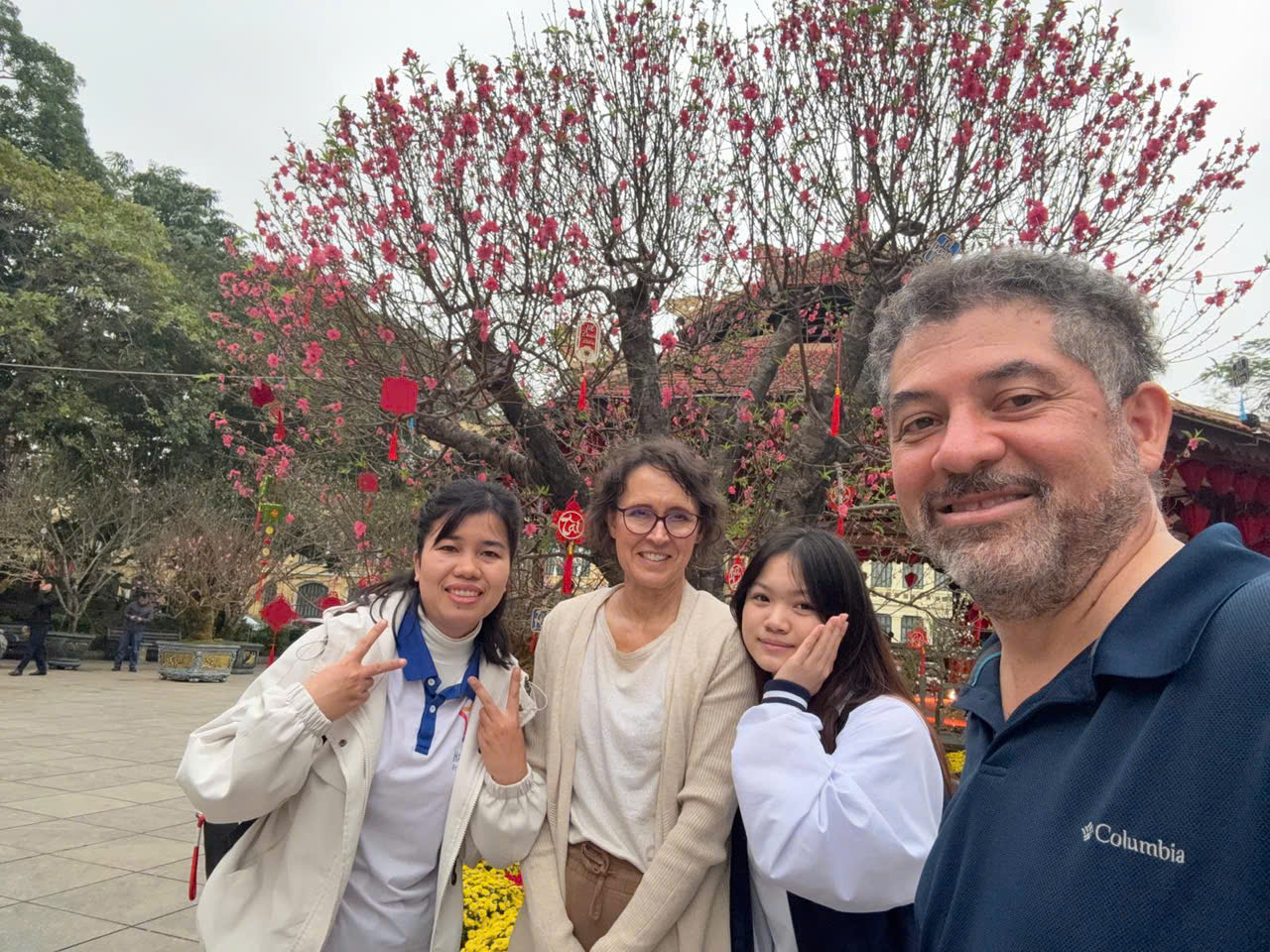
The most iconic flower of early spring is the Peach Blossom, which symbolizes the arrival of the Vietnamese New Year. These delicate pink flowers appear everywhere, from homes and temples to flower markets and street vendors’ bicycles.
Later in the season, other flowers brighten the capital such as Bauhinia Flowers, Milk Flowers, and fragrant Lilies. Many streets become natural photo spots where locals and tourists gather to admire the blossoms and capture beautiful memories.
Nearby flower villages such as Nhat Tan or Tay Tuu are also popular destinations where visitors can see vast fields of flowers grown for Tet decorations.
A season of Cultural Festivals
Hanoi is a city with over a thousand years of history, and spring is the season when many traditional festivals take place. These events celebrate historical heroes, spiritual beliefs, and local traditions that have been preserved for centuries.
One of the most important celebrations is the Perfume Pagoda Festival, a pilgrimage where thousands of people travel along the Yen Stream to visit sacred temples hidden among limestone mountains.
Other famous festivals include the Dong Da Festival, which commemorates the heroic victory of King Quang Trung, and the Hai Ba Trung Temple Festival, honoring two legendary heroines who fought against foreign invaders.
Participating in these festivals allows travelers to experience Vietnam’s living cultural heritage while observing traditional ceremonies, music, and community gatherings.
Best activities to experience Hanoi in Spring
Walking around the Historic Old Quarter
Spring is one of the most pleasant seasons to explore the lively streets of Hanoi Old Quarter, the historic heart of the Vietnamese capital. As the cool winter fades away, spring brings mild temperatures, light sunshine, and a refreshing atmosphere that makes wandering through the Old Quarter particularly enjoyable. This area, often referred to as the “Hanoi 36 Streets” has been a center of trade and craftsmanship for hundreds of years. Each street historically specialized in a particular product such as silk, silver, herbs, or bamboo goods, and traces of these traditional trades can still be seen today.
Walking through the Old Quarter in spring allows travelers to appreciate both its historical charm and vibrant modern life. The narrow streets are lined with ancient tube houses, colorful shopfronts, and small temples hidden between buildings. Street vendors prepare local dishes on tiny sidewalks, while cafés offer the chance to sit and watch the rhythm of Hanoi life unfold. During the spring months, the area becomes even more lively as locals celebrate festivals and enjoy outdoor activities after the cooler winter season. The famous weekend walking streets around Hoan Kiem Lake also become a vibrant cultural space where visitors can enjoy traditional games, music performances, and local street food.
For those interested in Vietnamese performing arts, attending a traditional show at Thang Long Water Puppet Theatre is highly recommended. Water puppetry is a centuries-old Vietnamese art form that originated in the Red River Delta. The colorful wooden puppets perform on a water stage accompanied by live traditional music. The stories often depict rural life, historical legends, and Vietnamese folklore, offering visitors an entertaining and cultural introduction to the country’s heritage.
Discovering Hanoi’s historical Landmarks
Spring’s comfortable weather makes it an ideal season to discover some of the most important historical landmarks in Hanoi. With temperatures usually ranging between 18°C and 27°C, visitors can comfortably spend long hours exploring the city’s rich heritage.
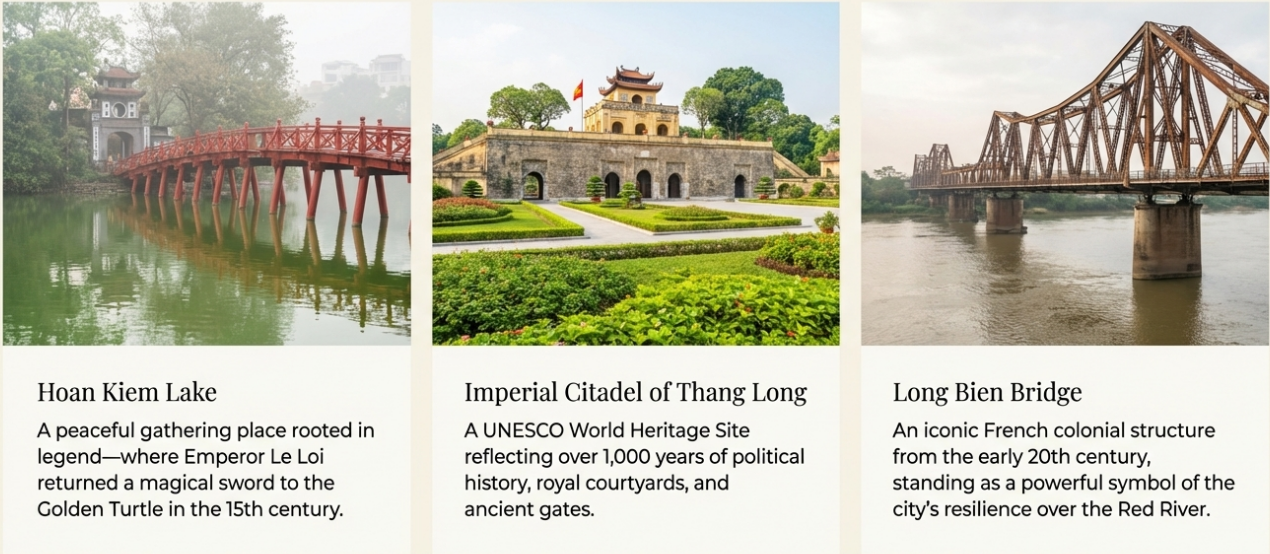
A natural starting point for many travelers is Hoan Kiem Lake, a peaceful lake that holds a special place in the cultural identity of the city. According to Vietnamese legend, this is where Emperor Le Loi returned a magical sword to the Golden Turtle after defeating foreign invaders in the 15th century. Today, the lake serves as a gathering place for locals who come to walk, exercise, or simply relax under the shade of ancient trees. In spring, the surrounding streets are filled with flowers and fresh greenery, creating a particularly picturesque setting.
Another remarkable historical site is the Imperial Citadel of Thang Long, a UNESCO World Heritage Site that reflects more than a thousand years of Vietnamese political history. Once the royal center of several dynasties, the citadel preserves archaeological remains, ancient gates, and historical artifacts that reveal the development of Hanoi as the capital of Vietnam. Visiting this site during spring allows travelers to walk through spacious courtyards and gardens while learning about the country’s royal past.
Not far away stands the historic Long Bien Bridge, an iconic structure built during the French colonial period at the beginning of the 20th century. The bridge has survived wars and decades of change, becoming a powerful symbol of Hanoi’s resilience. Walking across the bridge in the gentle spring air offers beautiful views of the Red River and nearby farming areas, giving visitors a unique perspective on both the historical and rural sides of the city.
Visiting sacred Temples and Pagodas
Hanoi’s spiritual heritage becomes especially vibrant during spring, as this season is traditionally associated with festivals, prayers for prosperity, and visits to temples and pagodas. Many Vietnamese people begin the new year by visiting sacred places to wish for health, happiness, and success.
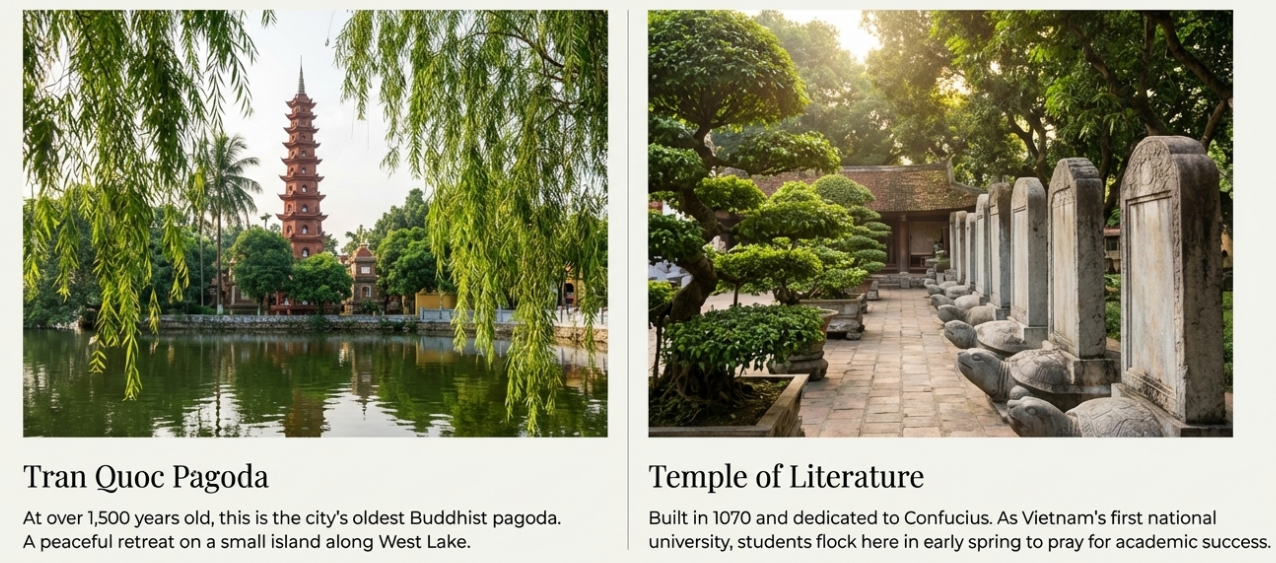
One of the most impressive religious sites in Hanoi is Tran Quoc Pagoda, located on a small island along the edge of West Lake. As the oldest Buddhist pagoda in the city, dating back more than 1,500 years, it represents an important symbol of Vietnamese spirituality. In spring, the pagoda is surrounded by blooming trees and calm lake waters, creating a serene and meditative atmosphere. Visitors often come here not only to admire the elegant architecture but also to observe local worship practices and enjoy a peaceful moment away from the busy streets.
Another cultural landmark that attracts many visitors in spring is the Temple of Literature, Vietnam’s first national university. Built in 1070 and dedicated to Confucius, this temple complex symbolizes the country’s long tradition of valuing education and scholarship. The courtyards, ancient trees, and stone steles engraved with the names of successful scholars create an inspiring atmosphere. During the early months of the year, many students visit the temple to pray for academic success, making spring a particularly meaningful time to explore this historical site.
Cultural Exchange with Local People
Spring in Hanoi is also a season of social gatherings, festivals, and renewed energy, making it an excellent time for travelers to connect with local people. Beyond visiting monuments, many visitors want to understand the everyday culture, traditions, and stories that shape the city.
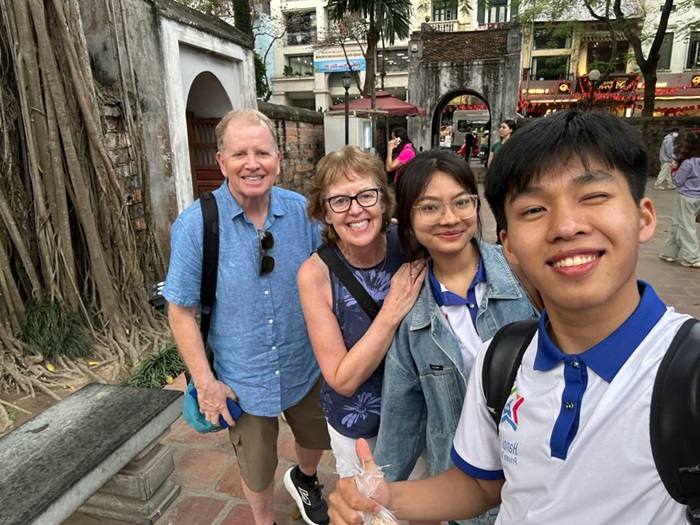
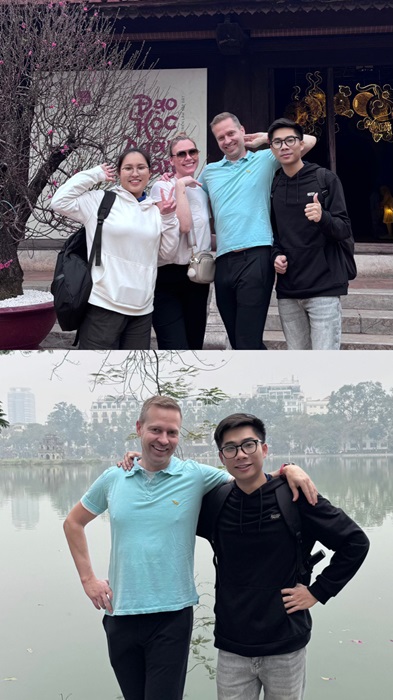
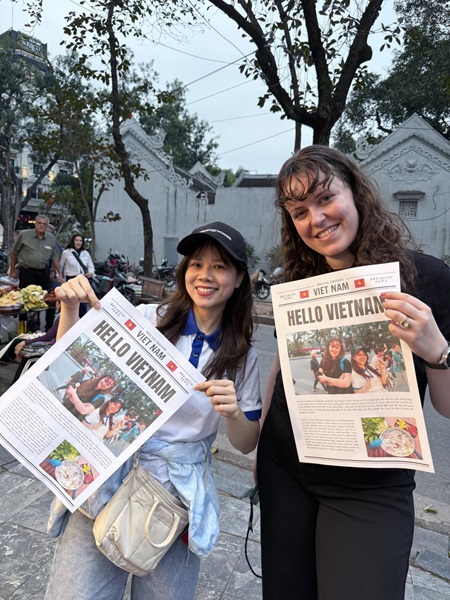
Participating in a free local walking tour can be a wonderful way to experience Hanoi from a more authentic perspective. Through organizations such as Hanoi Free Private Tour Guide Club, travelers can explore the city with enthusiastic young locals who are eager to share their knowledge and personal experiences. These cultural exchanges allow visitors to discover hidden corners of Hanoi, learn about local customs, and gain a deeper understanding of Vietnamese life. Conversations with local guides often reveal fascinating details about traditions, street culture, and the changing face of the city.
Book our free tour guide!

Hanoi Old Quarter Walking Tour
❤❤❤❤❤ (TripAdvisor / GetYourGuide)
Historical Tour – Walking Tour – Small Group
⚑ 3 – 4 hours
✎ Free Tour – Free Cancellation

Hanoi Cultural Exchange
❤❤❤❤❤ (TripAdvisor / GetYourGuide)
Local – Most Popular – Small Group
⚑ 3 – 8 hours
✎ Free Tour – Free Cancellation
Seasonal cuisine to try in Hanoi during Spring
Hanoi’s culinary culture is deeply connected to the seasons, and spring offers many dishes that reflect freshness, balance, and comfort after the colder winter months.
A dish that every traveler should experience is Pho Hanoi, the most famous Vietnamese noodle soup. In Hanoi, pho is considered more than just a meal, it is a daily ritual. The fragrant broth is slowly simmered with beef bones and aromatic spices such as star anise, cinnamon, and ginger, creating a rich yet delicate flavor. Fresh rice noodles, thin slices of beef or chicken, and herbs complete the dish. During the cool mornings of spring, enjoying a hot bowl of pho on a small street-side stool is a classic Hanoi experience.
Another iconic local specialty is Bun Cha, a dish that perfectly represents Hanoi’s street food culture. The meal includes grilled pork patties and slices of marinated pork belly served in a savory dipping sauce, accompanied by vermicelli noodles and a basket of fresh herbs. The combination of smoky grilled meat, light noodles, and refreshing herbs creates a balanced and satisfying meal that is particularly enjoyable during spring’s mild weather.
Travelers looking for a lighter dish should try Banh Cuon, a delicate specialty made from thin sheets of steamed rice batter filled with minced pork and mushrooms. These soft rolls are topped with crispy fried shallots and served with a flavorful dipping sauce. The dish is often eaten for breakfast and is loved for its gentle flavors and smooth texture.
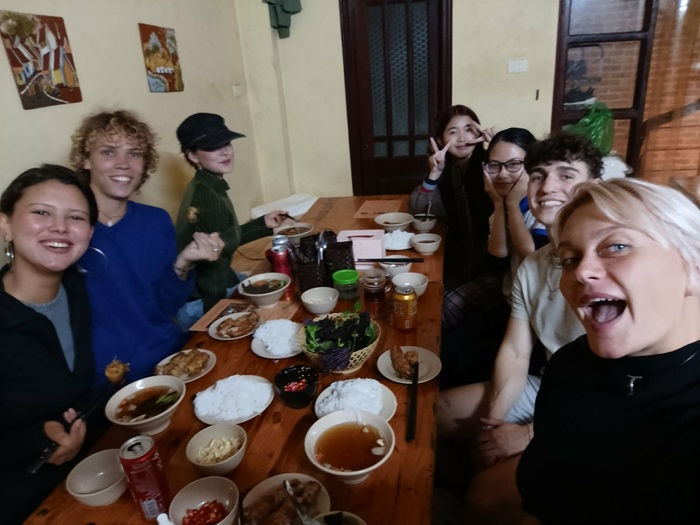
Another springtime delight is Banh Troi, a traditional dessert often prepared during seasonal festivals. These small glutinous rice balls are filled with palm sugar and served in sweet ginger syrup or sometimes topped with sesame seeds. Their warm sweetness makes them especially comforting during the slightly cool days of early spring.
Best Things to Do in Hanoi in Spring for First-Time Visitors
» Best restaurant Pho Hanoi – A must-try culinary experience
» Hanoi Street Food: All Must-Try Dishes
Travel Tips for visiting Hanoi in Spring
To enjoy Hanoi in spring comfortably, travelers should prepare for changing weather conditions. Light layers are recommended because temperatures can vary between cool mornings and warmer afternoons.
A compact umbrella or raincoat is useful due to occasional spring drizzle. Comfortable walking shoes are also important, as exploring Hanoi often involves walking through markets, parks, and historical sites.
Visitors traveling during Tet should be aware that some shops and restaurants may close for a few days while families celebrate the holiday. However, this period also offers a unique opportunity to witness traditional customs, festive decorations, and cultural celebrations throughout the city.
With good preparation, spring becomes one of the most enjoyable seasons to explore Hanoi.