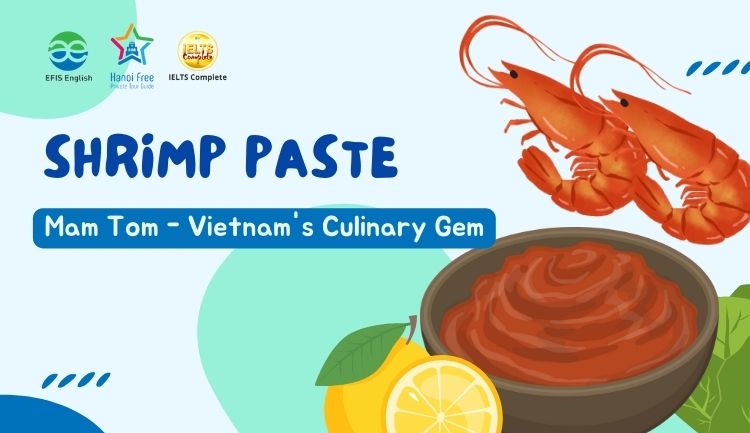
Vietnam is a country renowned for its rich culinary traditions, with a diverse array of flavors that reflect its unique cultural heritage. Among the most distinctive and intriguing elements of Vietnamese cuisine is the Shrimp Paste – Mam Tom, a fermented shrimp paste that is as polarizing as it is beloved.
The shrimp paste is a staple in many Vietnamese dishes, and its strong flavor profile makes it a fascinating topic for both food enthusiasts and travelers seeking to understand Vietnam’s culinary landscape. Mam Tom is not just a food item; it is an embodiment of Vietnam’s rich history, cultural diversity, and the ingenuity of its people. For those unfamiliar with it, the strong aroma and intense flavor can be a challenge, but for the initiated, Mam Tom is a treasured delicacy that adds depth and complexity to many Vietnamese dishes. This article explores the history, cultural significance, and travel experiences associated with Mam Tom, offering insights into how this humble shrimp paste has become an integral part of Vietnamese cuisine.
Shrimp paste is an acquired taste best approached with guidance, and a hanoi street food tour is a lower-risk way to try it than pointing at a menu.
The Origins of Mam Tom: A Historical Perspective
A Time-Honored Tradition
Mam Tom’s origins date back centuries, rooted deeply in Vietnam’s coastal regions where seafood has always been abundant. It is believed that the practice of fermenting shrimp and fish to create flavorful pastes began as a method of preservation in ancient times. This technique allowed communities to store and use seafood long after it was caught, making it an essential part of their diet.
Cultural Significance
The production of Mam Tom is more than just a culinary process. It is a tradition passed down through generations. The method involves fermenting tiny shrimp or krill in salt, which are then allowed to age over several months. This fermentation process is what gives Mam Tom its signature strong aroma and taste, characteristics. That have become iconic in Vietnamese cuisine.
Mam Tom is particularly popular in northern Vietnam, where it is used in a variety of traditional dishes. The process of making Mam Tom is often a family affair, with recipes and techniques guarded and passed down through generations. This has helped preserve the unique flavor profile of Mam Tom, ensuring that it remains a key element of Vietnam’s culinary identity.

The Making of Mam Tom: A Delicate Craft
Ingredients and Process of the shrimp paste
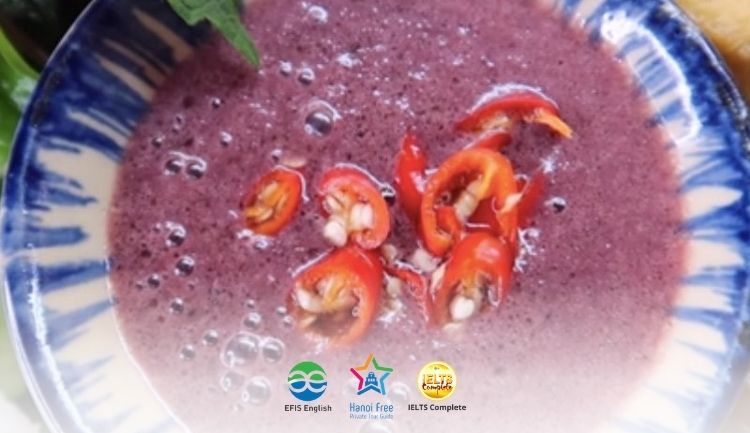
The primary ingredient in Mam Tom is tiny shrimp or krill, which are abundant in the coastal waters of Vietnam. These shrimp are mixed with salt, which acts as a preservative and initiates the fermentation process. The mixture is then placed in large clay jars and left to ferment for several months, sometimes even up to a year.
During this time, the shrimp breaks down, releasing enzymes that contribute to the paste’s complex flavor. The longer the fermentation period, the stronger the flavor of the Mam Tom. Once the fermentation process is complete, the paste is filtered and sometimes mixed with additional ingredients like sugar or rice powder to balance its intense taste.
Regional Variations
Like many traditional Vietnamese foods, Mam Tom varies from region to region. In the north, where Mam Tom is most popular, it tends to be saltier and has a more intense flavor. In central and southern Vietnam, the paste might be milder and sometimes sweeter, reflecting the local palates.
The variations in Mam Tom also reflect the different culinary traditions across Vietnam. In the north, Mam Tom is often used in hearty, robust dishes that complement its strong flavor. In the central and southern regions, it is more likely to be served as a condiment or dipping sauce, where its intensity can be moderated by other ingredients.
The shrimp paste in Vietnamese Cuisine: A Flavorful Journey
A Staple in Traditional Dishes
The shrimp paste is an essential ingredient in several traditional Vietnamese dishes, each offering a unique way to experience its distinctive flavor. One of the most famous dishes that feature Mam Tom is Bun Dau Mam Tom. This dish consists of fried tofu, vermicelli noodles, fresh herbs, and a side of Mam Tom, which serves as the dipping sauce. The combination of textures and flavors, from the crisp tofu to the pungent shrimp paste, makes Bun Dau Mam Tom a beloved dish among locals and adventurous travelers alike.

Another iconic dish is Bun Rieu, a tomato-based crab soup that uses Mam Tom to add depth to its broth. The paste’s umami-rich flavor enhances the sweetness of the crab, creating a harmonious balance that is both comforting and flavorful. This dish is a staple in many Vietnamese households, particularly in the northern regions where Mam Tom is most prevalent.
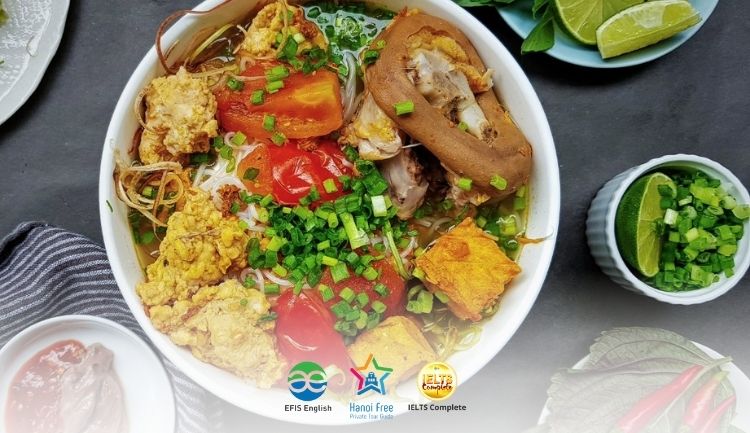
A Polarizing Flavor – shrimp paste
While Mam Tom is adored by many, it is also a highly polarizing ingredient due to its potent aroma and taste. For first-time tasters, the smell can be overwhelming, often described as pungent or even off-putting. However, for those who have grown up with it, Mam Tom is a source of comfort and nostalgia, evoking memories of home-cooked meals and family gatherings.
The strong flavor of Mam Tom can be an acquired taste, but it is this very intensity that makes it such a cherished ingredient. It is a condiment that demands attention and, when used correctly, can transform a simple dish into something extraordinary.
Pairing Mam Tom with Other Flavors
Mam Tom’s robust flavor means it is often paired with equally bold ingredients. In addition to tofu and crab, it is commonly served with grilled meats, particularly pork. The savory richness of the meat is complemented by the paste’s salty, umami character, creating a dish that is full of depth and complexity.
To balance Mam Tom’s intensity, it is often served with fresh herbs such as perilla, mint, and cilantro. These herbs add a refreshing contrast to the paste’s rich flavor, making each bite a delightful combination of tastes and textures.
Conclusion – The shrimp paste
Mam Tom is more than just a shrimp paste. It is a cultural treasure that embodies the spirit of Vietnamese cuisine. Its rich history, complex flavor, and deep cultural significance make it a fascinating subject for food lovers and travelers alike. From its humble beginnings as a method of preservation to its role in traditional and modern Vietnamese dishes, Mam Tom has earned its place as one of Vietnam’s most iconic culinary ingredients.
For travelers seeking an authentic experience in Vietnam, exploring the world of the shrimp paste offers a unique opportunity to delve into the country’s rich culinary heritage. Mam Tom is sure to leave a lasting impression on your taste buds and your understanding of Vietnamese culture.
Explore Hanoi with Free Private Tour Guides
Discover the flavors of Hanoi with a local expert! Club Hanoi Free Private Tour Guide offers personalized tours that take you off the beaten path and into the heart of the city’s culinary scene. Whether you want to taste the best Mam Tom dishes or explore Hanoi’s rich history, our guides are here to make your experience unforgettable. Book your free tour today and let us show you the real Hanoi, one delicious bite at a time!
_________________________________________________
HANOI FREE PRIVATE TOUR GUIDE
✤ Website: Hanoi Free Private Tour Guide
✤ Adress: 158 Chua Lang, Dong Da, Hanoi
✤ Hotline: (+84) 97 63 69 796
✤ Mail: hanoifreeprivatetourguide@gmail.com
✤ English Course: Efis English
Read more
✧ Breakfast in Hanoi : A Flavorful Guide to the City’s Best Breakfasts
✧ Vietnamese breakfast : Exploring the Daily Breakfast Rituals