
Hanoi scams to avoid are the first thing every smart traveler should research before landing in Vietnam’s chaotic, beautiful capital. Hanoi is an incredible city, full of ancient temples, steaming bowls of phở, and the electric energy of the Old Quarter. But like any major tourist destination, it has its share of hustles designed to catch visitors off guard. This guide gives you the ground-level, insider knowledge you need to stay one step ahead, enjoy every moment, and keep your money where it belongs: in your pocket.
Why is Hanoi a target for Tourist Scams?
Hanoi attracts millions of foreign visitors every year, and the income gap between tourists and locals creates fertile ground for opportunistic scams. The Vietnamese Đồng (VND) can be confusing, a 500,000 VND note looks similar to a 50,000 VND note to an untrained eye, and the zeros are dizzying. Add jet lag, sensory overload from the traffic and noise, and the natural desire to be polite and open-minded, and it’s easy to see why visitors become targets.
This doesn’t mean Hanoi is dangerous, quite the opposite. The vast majority of locals are warm, hospitable, and genuinely proud to share their city. The scams are carried out by a small minority, concentrated in specific tourist areas like Hoan Kiem Lake, the Old Quarter, and Noi Bai Airport. Knowing the playbook takes away the scammers’ most powerful weapon: your ignorance.
» Planning a Trip to Hanoi: The Complete Guide
» Is Vietnam safe for travelers in 2026?

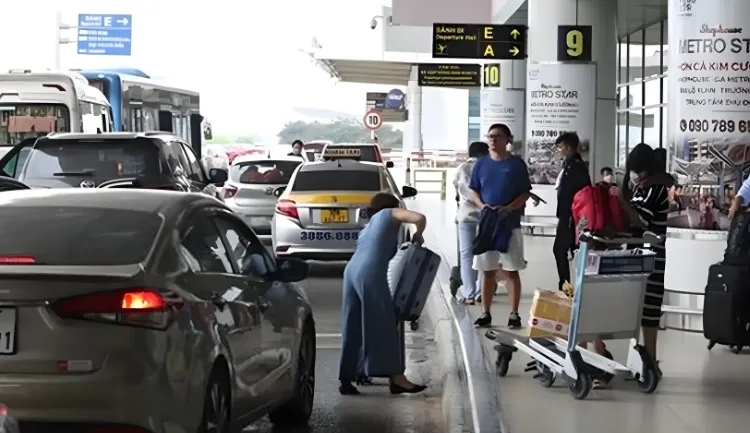
Fake Taxis & Rigged Meters: The airport ambush
Unlicensed or fraudulent cabs operating near Noi Bai International Airport use tampered meters that can rack up fares 5–10 times the legitimate cost before you even reach the city center.
The legitimate fare from Noi Bai Airport to the Hanoi Old Quarter in a metered taxi should be roughly 250,000–350,000 VND (approximately $10–$14 USD). Fake taxis have been known to charge 1,000,000 VND or more for the same journey. Some use visual tricks, their meter moves so fast it’s hard to notice in the confusion of arrival. Others claim the meter is “broken” and demand a flat (inflated) rate.
How to stay safe:
- Use the Grab app (Southeast Asia’s equivalent of Uber) for a fixed price and GPS-tracked ride before you even walk out of arrivals.
- If taking a metered taxi, stick to established brands: Mai Linh (green, tel: 1055) or Thanh Nga Taxi (white and green).
- Avoid anyone approaching you inside the terminal offering “cheap taxi.”
- Confirm the meter is running from the moment you get in.
The Fruit Basket & Doughnut Lady Scam
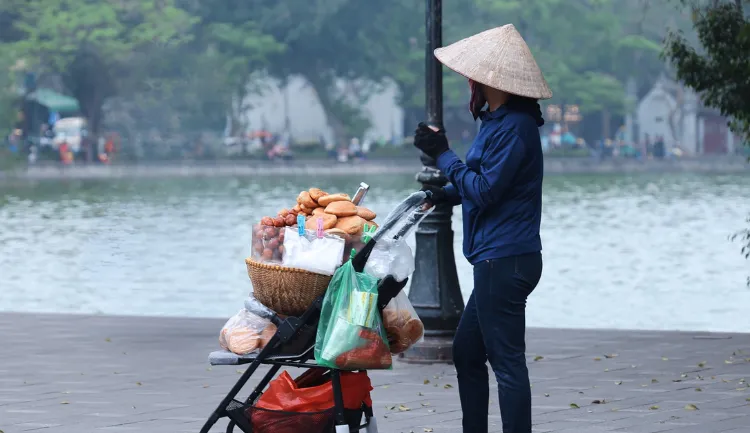
A smiling vendor places a traditional Vietnamese carrying basket (đòn gánh) across your shoulders for a “fun photo”, then demands an outrageous fee, sometimes 300,000–500,000 VND, the moment the picture is taken.
A similar version involves vendors selling doughnuts or fruits. The items are handed to you with warm friendliness, then when you try to return them or pay what seems reasonable, the vendor becomes agitated and demands a sum that would make even a high-end café blush. Authentic doughnuts at shops on Luong Ngoc Quyen Street cost just 2,000–3,000 VND each, not the 20,000–30,000 VND these vendors charge tourists.
How to stay safe:
- Politely decline any unsolicited offers to wear baskets or hold goods.
- If you genuinely want a photo with a vendor, agree on a price before the photo is taken.
- If approached, a calm “không, cảm ơn” (“no, thank you” in Vietnamese) with a friendly smile usually works.
The Shoe Shine Hustle: Don’t look down!
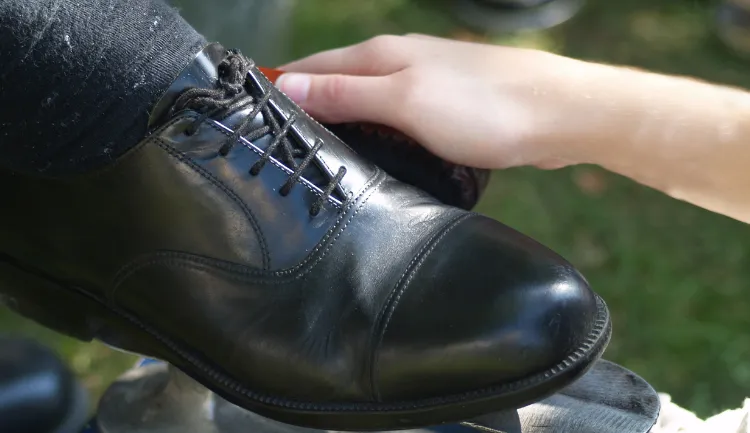
They often approach when you’ve stopped to look at a map or check your phone, and in a blink, one of your shoes is off and the “repair” has begun without your consent.
Once the work is done, whether you wanted it or not, the demand comes: anywhere from 200,000 to 500,000 VND for a basic shine. A legitimate shoe shine in Hanoi costs 20,000–30,000 VND. A standard sole repair should be no more than 60,000–70,000 VND. Some unscrupulous operators will also claim to have found “damage” on your shoe that they’ve conveniently “fixed” for an exorbitant fee.
How to stay safe:
- Don’t stand still for extended periods near Hoan Kiem Lake without being aware of your surroundings.
- If someone touches your shoes, immediately say “không” and step back firmly.
- For genuine repairs, look for established shoe repair stalls on Hang Dau or Hang Gai Streets.
What is the Cyclo Scam and How does it work?
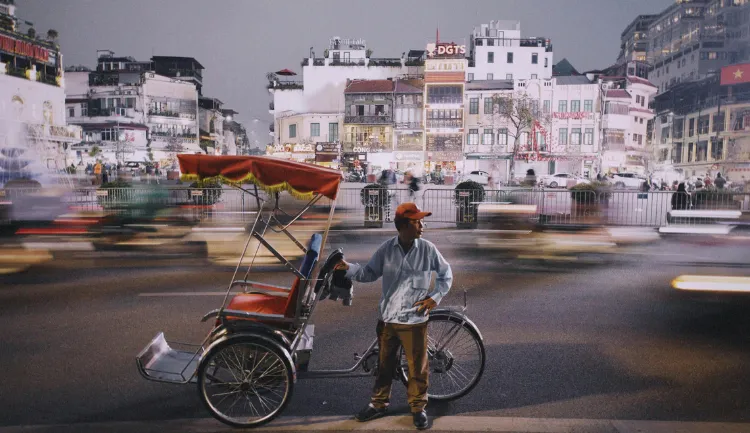
You agree on what sounds like a reasonable price,say 50,000 VND,only to be told at journey’s end that the price was per block, per person, or quoted in USD not VND. Your 50,000 VND ride suddenly becomes 500,000 VND or more.
Cyclos are genuinely charming way to see the narrow streets of the Old Quarter, and many operators are completely honest. The problem is that dishonest operators use vague verbal agreements to create disputes they always “win” through social pressure and, occasionally, intimidation. Because there’s rarely a written receipt, tourists are left with little recourse.
How to stay safe:
- Negotiate the total price for the entire journey before you sit down, not per person, not per block.
- Confirm explicitly: “Is this price in VND? For both of us? For the whole trip?”
- Write the agreed price down or show it on your phone calculator.
- Consider booking cyclo tours through a reputable agency where pricing is guaranteed in writing.
Restaurants Without Prices: The Mystery Bill Trap
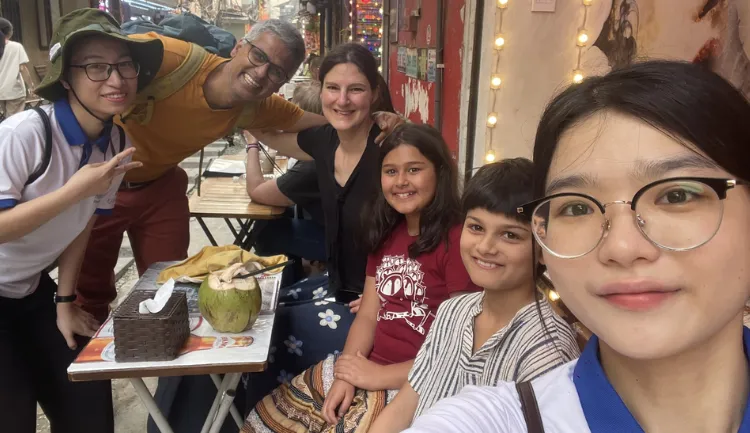
This scam targets tourists who sit down, order enthusiastically, then receive a bill wildly disconnected from what they expected. A bowl of Phở that costs 40,000 VND at a local spot might be billed at 400,000 VND at an establishment exploiting tourist ignorance.
This trap is especially common around Hoan Kiem Lake and the most tourist-heavy streets of the Old Quarter. Some establishments even have two menus: one for locals with genuine prices, and one for tourists with inflated ones, or simply no prices at all.
How to stay safe:
- Always ask for the price of each item before ordering, including drinks and condiments.
- If prices aren’t displayed or stated upfront, leave, there are hundreds of excellent, honest food spots in Hanoi.
- As a benchmark: a bowl of phở should cost 40,000–80,000 VND; a bún chả around 50,000–70,000 VND; a local bia hơi (draft beer) about 10,000–15,000 VND.
| Food/Drink Item | Fair Local Price (VND) | Tourist Scam Price (VND) |
| Bowl of Phở | 40,000 – 80,000 | 200,000 – 400,000 |
| Bún Chả | 50,000 – 70,000 | 150,000 – 300,000 |
| Bia Hơi (draft beer) | 10,000 – 15,000 | 50,000 – 100,000 |
| Vietnamese Coffee | 15,000 – 30,000 | 80,000 – 150,000 |
| Doughnut (bánh rán) | 2,000 – 3,000 | 20,000 – 30,000 |
| Fruit Basket Photo | Free (ask politely) | 300,000 – 500,000 |
| Shoe Shine | 20,000 – 30,000 | 200,000 – 500,000 |
| Cyclo Ride (Old Quarter loop) | 100,000 – 150,000 | 500,000+ |
Souvenir market overpricing: How to bargain smart
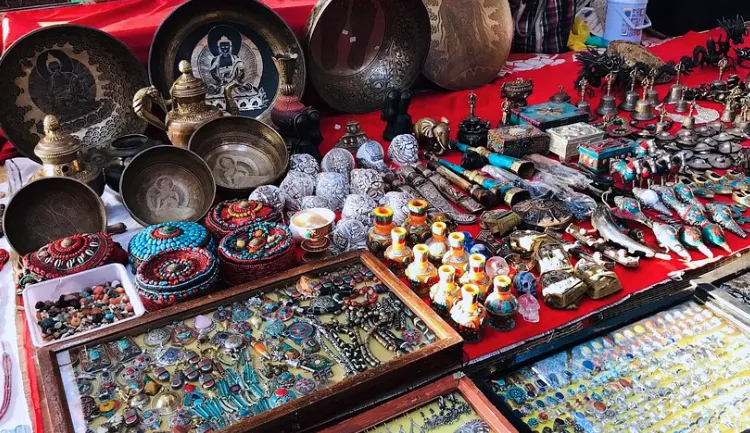
This isn’t always a “scam” in the traditional sense, bargaining is deeply embedded in Vietnamese market culture, but it can feel like one if you don’t know the rules.
The key is to do a quick walkthrough before buying anything, to gauge the range of prices. Once you find something you want, counter-offer at 40–50% of the asking price and negotiate from there. The vendor will likely meet you somewhere in the middle. Crucially, never show strong enthusiasm for an item before knowing its price, it signals you’re willing to pay more.
💡 Local Tip: Look for shops on Hang Gai Street (Silk Street) or Hang Bac Street (Silver Street) that display fixed prices. These are often more tourist-friendly and skip the awkward negotiation altogether.
Pickpocketing, Bag snatching & Motorbike theft
Thieves on motorbikes will target tourists walking near the road who are visibly holding phones, cameras, or bags with loose straps. The snatch happens in a split second, and by the time you react, they’re gone into the traffic.
Crowded areas like the Dong Xuan Market, the night market, and busy bus stops also attract pickpockets who work in groups, one distracts, the other takes. Your passport is especially valuable on the black market, so never carry it unnecessarily.
How to stay safe:
- Carry a cross-body bag worn in front, not a backpack or shoulder bag worn to the side.
- Keep your phone in your pocket or bag, not in your hand, when walking near traffic.
- Leave your passport locked in your hotel safe; carry a photo copy instead.
- Walk on the interior of the pavement, away from the road, to make bag-snatching harder.
- Avoid poorly lit streets in the Old Quarter after midnight.
How can you avoid overpriced transport across Hanoi?
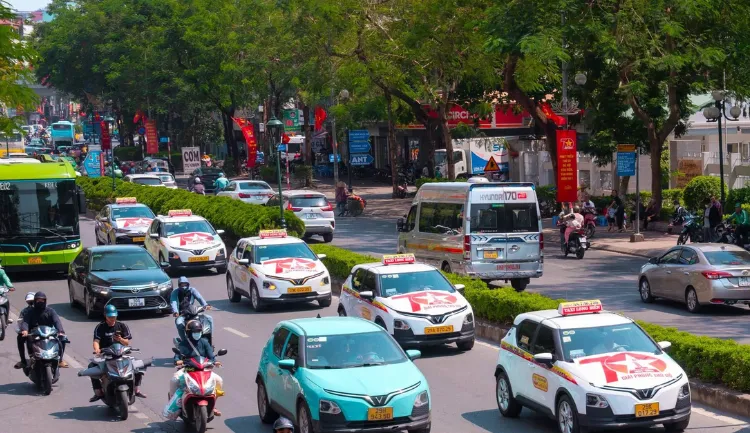
Grab, Be, and Xanh SM all operate with fixed GPS-tracked fares that are quoted before you confirm the booking, meaning there’s no room for meter tampering or end-of-journey disputes.
If you prefer traditional taxis for longer journeys, always use Mai Linh (green cabs, tel: 1055) or Thanh Nga. These companies have a strong reputation for honest metering and trained drivers. The moment you get in, confirm the meter is running; if the driver claims it’s broken or suggests a flat rate that seems high, get out and try another cab.
For the sleeper buses popular among budget travelers heading to destinations like Sapa or Ninh Binh, book only through your hotel or a reputable agency. Keep valuables, passport, phone, extra cash, with you in the cabin, not in luggage compartments, as theft from storage areas has been reported.
Currency confusion: The “Helpful” money changer trap
The Đồng comes in notes from 1,000 VND to 500,000 VND, and to many new arrivals, the sheer number of zeros is disorienting. Unscrupulous money changers and vendors exploit this confusion deliberately, handing you change in small denominations that look correct but are worth a fraction of what’s owed, or switching your 500,000 VND note for a 50,000 VND note during the transaction.

How to stay safe:
- Exchange money at official bank branches or your hotel’s front desk, never from street-side changers, even if their rate looks attractive.
- Count your change slowly and carefully before leaving any transaction, even if it feels rude.
- Use ATMs from established international banks (Vietcombank, BIDV, Techcombank) inside secured premises rather than standalone street ATMs.
- Familiarize yourself with the note denominations before you land: download a VND reference image to your phone gallery.
What should you do if you’ve already been scammed in Hanoi?
In most cases, the amounts involved are relatively small, and your emotional and physical safety is more important than recovering a few hundred thousand đồng.
If you believe you’ve been significantly defrauded, you can report the incident to the Hanoi Tourism Police (available 24/7 for tourist complaints) or contact your country’s embassy. Keep all receipts and document the incident with photos if possible. For credit card fraud or ATM skimming, contact your bank immediately to freeze your card.
Most importantly, share your experience in travel communities like TripAdvisor, Reddit’s r/solotravel, or Facebook groups for Vietnam travelers. Your report could protect another visitor from the same trick.

FAQs: People Also Ask About Hanoi Scams
Under normal traffic, the journey takes 40–50 minutes. During peak rush hours (7:00–9:00 AM and 4:30–7:30 PM), this can extend to 70–80 minutes. Plan accordingly, especially if you have a connecting train or bus to catch.
The fruit basket photo scam and shoe shine hustle are the most frequently reported scams in Hanoi’s Old Quarter. Both rely on friendly, unsolicited approaches followed by aggressive demands for payment once the tourist is already committed. The fix is simple: decline unsolicited contact firmly and politely from the start.
Yes, Grab is the safest and most recommended transport option for tourists in Hanoi. The app uses GPS tracking, pre-set fares, and driver verification, eliminating the risk of meter fraud or price ambushes. It’s widely available, affordable, and the driver speaks enough English to follow your app-set destination.
A legitimate cyclo ride around the Old Quarter should cost approximately 100,000–150,000 VND for the full loop. Always agree on the total price in VND before boarding, confirm it covers all passengers, and consider writing the agreed amount on paper or your phone screen. Anything significantly higher is likely a scam setup.
Hanoi scams to avoid: Travel smart, trust the Locals
Hanoi scams to avoid are very manageable once you know what to look for. The overwhelming majority of people you’ll meet in Hanoi are kind, curious, and genuinely delighted to share their city with visitors. Don’t let a small minority of hustlers steal your joy, or your wallet. Arm yourself with the knowledge in this guide, stay alert in the busy tourist corridors, use Grab for transport, and always confirm prices before committing to any transaction.
The single best thing you can do to stay scam-free in Hanoi? Connect with a local. The Hanoi Free Private Tour Guide Club offers completely free, private tours led by enthusiastic volunteers who are eager to share Vietnamese history, culture, cuisine, and hidden gems with visitors from across the world. With over 100,000 free tours delivered and more than 5,000 official members, this remarkable community-driven initiative is your ultimate insider’s pass to experiencing Hanoi authentically, safely, and joyfully.
Written by a Hanoi-based local tourism expert with deep knowledge of the Old Quarter, Hoan Kiem District, and the city’s evolving travel landscape.