
Tipping culture in Vietnam trips up almost every first-time visitor, and I still remember watching a guest on one of our walking tours freeze over the bill at a small phở stall, unsure whether to leave extra dong or risk seeming rude either way. This article is the direct answer to that exact moment of confusion. It explains when tipping is expected in Vietnam, how much to leave in each situation, and the small cultural habits that make a tip feel like a genuine thank-you instead of an awkward transaction.
Is tipping expected in Vietnam?
No, tipping is not strictly expected in Vietnam, though it has become increasingly common and welcomed in areas with heavy tourist traffic. For decades, gratuities simply were not part of daily life here, a legacy of a service economy that never built tipping into its wage structure the way many Western countries did. That has shifted gradually as international tourism grew, and today most service workers in cities like Hanoi will happily accept a tip without ever demanding one.
Vietnam does not have a strong tipping culture in the traditional Western sense, and locals themselves rarely tip each other in daily life. What has changed is the tourism layer of the economy: hotels, private guides, spas, and mid-range restaurants now factor in occasional tips from foreign visitors as a normal, if unofficial, part of the job. In short, tipping in Vietnam is voluntary, modest, and situational rather than mandatory, but it is always appreciated when offered sincerely.
Tipping is really just one thread in a much wider fabric of local etiquette. If you would like the fuller picture, our complete guide to Vietnamese customs and etiquette covers everything from greetings and dress codes to gift-giving and temple manners, so you can walk into any situation in Hanoi with confidence.
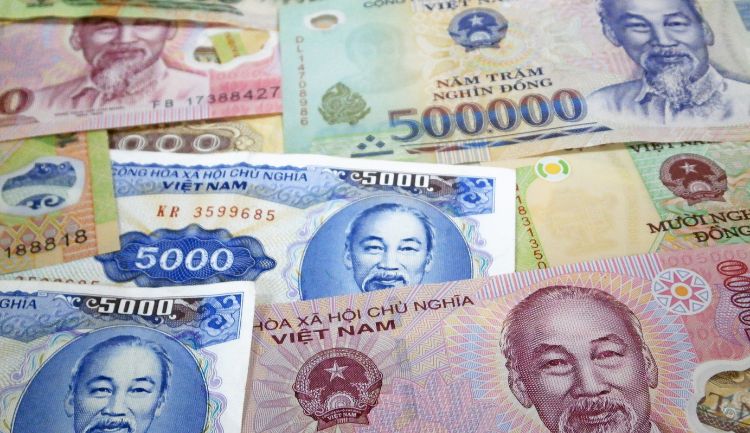
Understanding Tipping Culture in Vietnam: Where it comes from?
This habit of tipping is a relatively recent, tourism-driven addition to daily life rather than a deep-rooted local tradition. Under the country’s socialist economic model, services were standardized and wages were not built around gratuities, so the entire concept of tipping simply did not exist in most people’s daily routines for much of the twentieth century.
That began to change after Vietnam’s Doi Moi economic reforms opened the country to private business and, eventually, mass tourism. As millions of foreign visitors arrived expecting the tipping norms of their home countries, hotels, tour operators, and upscale restaurants in Hanoi and Ho Chi Minh City gradually adapted. Today’s tipping culture in Vietnam sits somewhere between the mandatory tipping expected in the United States and the near-total absence of tipping in East Asian countries like Japan, which makes it easy for travelers coming from either direction to misjudge the local norm.

How Much Should You Tip in Vietnam?
As a rough rule, tips in Vietnam range from simply rounding up a taxi fare to around 200,000 VND per day for a private tour guide, depending on the service and how personalized it was. The table below breaks down typical amounts by situation so you can plan your cash on hand before you head out for the day.
| Situation | Typical Tip | Approx. USD |
| Street food stalls | Not expected | $0 |
| Local restaurants / cafes | Not expected | $0 |
| Mid-range or upscale restaurants | 5 to 10% of the bill | Varies |
| Regular taxi | Round up the fare | $0.20 to $0.50 |
| Grab / ride-share | 10,000 to 20,000 VND | $0.50 to $1 |
| Hotel bellhop, per bag | 20,000 to 50,000 VND | $1 to $2 |
| Hotel housekeeping, per night | 20,000 to 50,000 VND | $1 to $2 |
| Private tour guide, per day | 100,000 to 200,000 VND | $4 to $8 |
| Private driver, per day | 50,000 to 100,000 VND | $2 to $4 |
| Spa or massage therapist | 50,000 to 100,000 VND | $2 to $4 |
| Hairdresser or manicurist | 20,000 to 50,000 VND | $1 to $2 |
| Food delivery | 5,000 to 10,000 VND, optional | $0.25 to $0.50 |
» Vietnam Currency & Money Exchange Tips
» Hanoi Scams to Avoid: The Ultimate Tourist Survival Guide
Tipping Culture in Vietnam by Situation
The right tip depends heavily on where you are and who is serving you, so it helps to think in terms of specific situations rather than one blanket rule. Below is a closer look at the service settings travelers encounter most often, from a bowl of noodles to a full-day private tour.
Restaurants and Street Food Stalls
At street food stalls and small local eateries, tipping is not expected and locals themselves rarely leave anything extra. Margins are thin at these tiny businesses, and the price on your bowl of phở or bún chả already reflects fair local value, so a smile and a sincere “Cảm ơn” is genuinely enough.
In mid-range and upscale restaurants, a 5 to 10 percent tip is appreciated if a service charge is not already included in the bill. Check the printed total first, since many higher-end restaurants add a 5 to 10 percent service charge automatically, in which case an extra tip is a bonus rather than a requirement. Cash is preferred over adding a tip to a card payment, and you can either leave it on the table or hand it to your server directly with a word of thanks.
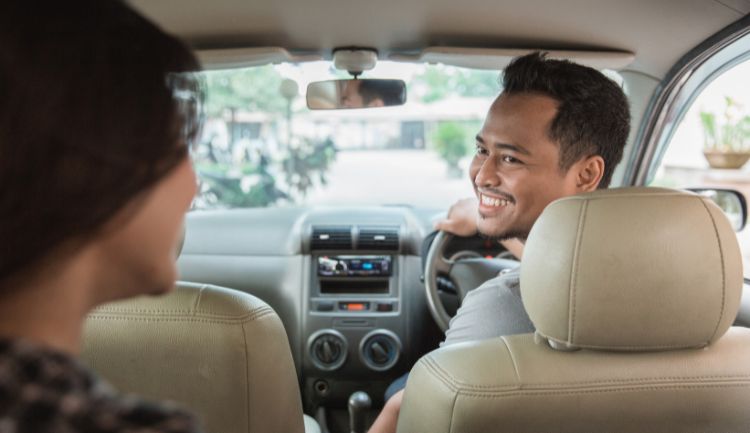
Regular taxi drivers in Vietnam do not expect a tip, but rounding up the fare is a common and easy way to show appreciation. If your ride costs 95,000 VND, handing over 100,000 VND and letting the driver keep the change is a small, polite gesture that takes no extra effort.
For Grab and similar ride-hailing apps, an in-app tip option usually exists but is entirely optional. A small cash tip of 10,000 to 20,000 VND for a smooth, helpful, or late-night ride is always welcome, particularly if the driver helped with luggage or navigated a tricky pickup spot.
Hotel Staff and Bellhops
Hotels are one of the few places in Vietnam where tipping feels closer to standard practice, especially at mid-range and upscale properties. Bellhops and porters generally receive 20,000 to 50,000 VND per bag, while leaving 20,000 to 50,000 VND per night for housekeeping is a thoughtful touch on longer stays.
Concierge staff who go out of their way, arranging a last-minute train ticket or recommending a hidden local restaurant, also welcome a small tip as thanks. None of this is mandatory, and hotel staff are trained to be gracious whether or not a tip appears, but a little extra cash left in an obvious spot in the room is always read as a kind gesture rather than an obligation.

Tour Guides and Drivers
This is where tipping culture in Vietnam becomes noticeably more expected, particularly for private or customized experiences. A general rule of thumb is 100,000 to 200,000 VND per day for a guide and 50,000 to 100,000 VND per day for a driver, adjusted up or down based on group size and how personalized the day felt.
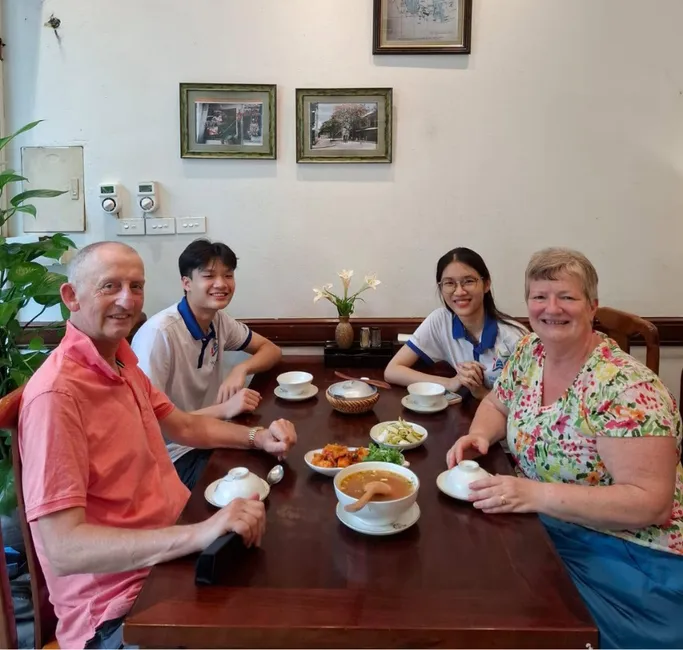
Free walking tours run by volunteer groups sit in a different category entirely. One of our longtime guides, Linh, still laughs about the guest who once tried to hand her a fifty-dollar bill after a four-hour walk through the Old Quarter. She had to gently explain that Hanoi Free Private Tour Guide tours are free by design, and our guides volunteer their time to practice English and share their city, not to earn tips. A small gift, a coffee, or a genuine five-star review means just as much to our student guides as cash ever could.
If that kind of guide-led generosity sounds like the experience you want in Hanoi, our club matches visitors with a free, English-speaking local guide every day of the week, tailored to whatever you are curious about.
Book our free tour guide!

Hanoi Old Quarter Walking Tour
❤❤❤❤❤ (TripAdvisor / GetYourGuide)
Historical Tour – Walking Tour – Small Group
⚑ 3 – 4 hours
✎ Free Tour – Free Cancellation

Hanoi Cultural Exchange
❤❤❤❤❤ (TripAdvisor / GetYourGuide)
Local – Most Popular – Small Group
⚑ 3 – 8 hours
✎ Free Tour – Free Cancellation
Spas, Salons, and Food Delivery
Spa and massage therapists typically receive 50,000 to 100,000 VND, with a slightly higher tip appropriate at luxury spas or after a particularly long treatment. Hairdressers and manicurists welcome a smaller tip of 20,000 to 50,000 VND when you are happy with the result.
Food delivery in Vietnam does not require a tip, but rounding up the order or adding 5,000 to 10,000 VND is a kind gesture, especially during heavy rain or late-night deliveries when drivers are working harder than usual for the same base fee.
Why does Tipping Culture in Vietnam feel different from the West?
The main reason is that a tip here grew out of gratitude rather than a wage system that depends on customer tips to survive. In the United States, tipping evolved into an unofficial subsidy for service wages, which is why skipping a tip there can genuinely shortchange a worker’s income.
In Vietnam, wages for restaurant staff, drivers, and hotel employees are not structured around expected tips, so a gratuity functions purely as a bonus for good service rather than a wage top-up. This distinction matters for travelers coming from tipping-heavy cultures, since over-tipping out of habit will not cause offense, but it also is not necessary to avoid awkwardness the way it might be back home. Vietnam’s version of tipping culture reflects a broader value in Vietnamese society: appreciation expressed through a warm gesture, not an obligation enforced through social pressure.
How should you give a Tip in Vietnam? Cultural Etiquette to Know
Give a tip in Vietnam using your right hand, or ideally both hands, since handing over money with only your left hand is considered impolite. Offer it discreetly, often with a short word of thanks such as “Cảm ơn bạn nhiều”, which means “thank you very much”, rather than making a visible show of the gesture.
A few cultural notes go a long way when tipping in Vietnam:
- Use your right hand or both hands when handing over money, never just your left hand.
- Offer the tip quietly along with a smile or a short thank-you, rather than announcing it.
- If someone politely declines a tip, do not insist. A sincere compliment or thank-you is often enough on its own.
- Cash is always preferable to card tips, since small service tips rarely make it to staff when added electronically.
Tipping is one of the questions visitors ask our guides most often, and the honest answer takes a few minutes. A cultural exchange with Hanoi students is a good place to raise it.
FAQs About Tipping Culture in Vietnam
Tipping in Vietnam is not required, but it is appreciated in tourist-facing services such as hotels, private tours, and mid-range restaurants. Locals themselves rarely tip in everyday settings like street food stalls or local cafes.
For a private or customized tour, 100,000 to 200,000 VND (roughly $4 to $8 USD) per day is a standard tip for the guide, with 50,000 to 100,000 VND for the driver if one is involved.
No, tipping is not considered rude in Vietnam and is almost always welcomed with a smile. If a person declines your tip, simply respect their choice rather than insisting, since some may feel shy about accepting money from a guest.
No, tipping is not expected at street food stalls or small local eateries. A warm “Cảm ơn” and a smile as you leave is a perfectly complete way to show your appreciation.