On the night of August 25th, 2025, Hanoi was battered by heavy rainfall brought by Typhoon Kajiki. From dusk until the morning of August 26th, sheets of rain turned many of the city’s streets into rivers, forcing residents to wade through waist-deep water and leaving countless vehicles stranded. For travelers planning to visit Vietnam’s capital, the impact of Typhoon Kajiki in Hanoi is a vivid reminder of the importance of preparation, flexibility, and local knowledge.
Typhoon Kajiki in Hanoi: A city submerged overnight
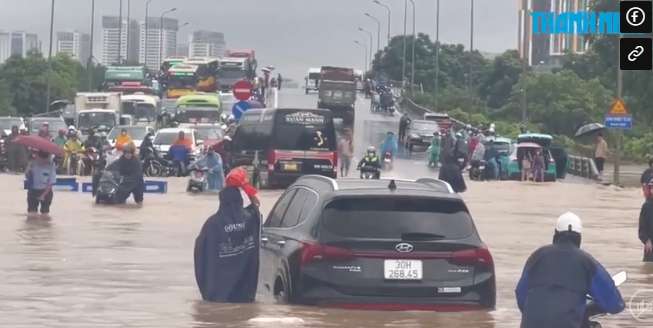
By dawn on August 26th, much of Hanoi was still struggling under the weight of the storm’s aftermath. The torrential rains left dozens of streets submerged—sometimes up to a meter deep. Roads like Thái Thịnh, Nguyễn Xiển, Lê Đức Thọ, and Nguyễn Trãi were transformed into waterlogged corridors, where cars and motorbikes stalled and commuters were forced to push their vehicles through rising floodwaters.
According to the Northern Hydrometeorological Station, rainfall was intense and uneven across the capital. Thạch Thất district recorded more than 183 mm in just a few hours, while inner-city neighborhoods also faced staggering downpours: Láng Thượng with nearly 90 mm, Mễ Trì with 94 mm, and Định Công with over 83 mm.
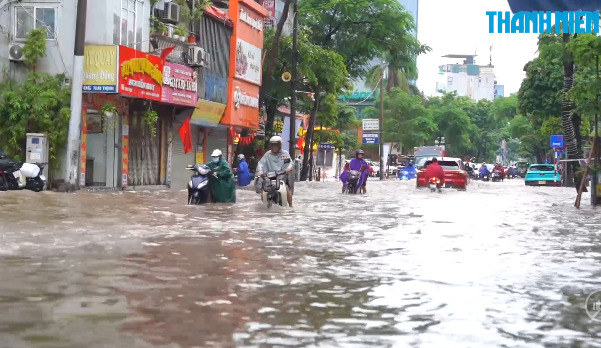
In suburban areas like Ô Diên, village roads disappeared beneath 30 cm of water, while Tây Mỗ’s section of Road 70 was swallowed by nearly a meter of flood, cutting off traffic in both directions. Even central locations such as Nguyễn Huy Tưởng found themselves under 30–40 cm of water, making travel impossible.
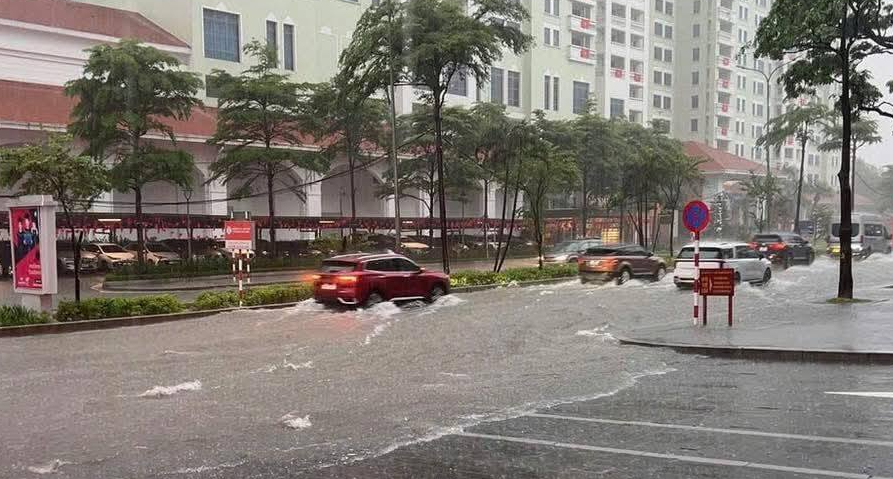
36 flooded points across Hanoi
The scale of the flooding after Typhoon Kajiki was unprecedented in recent years. By mid-morning, Hanoi Sewerage and Drainage Company identified 36 critical flood points, including major intersections and key gateways into the city. Areas such as Hoàng Quốc Việt (near the University of Electric Power), Dương Đình Nghệ – Nam Trung Yên (behind Keangnam Tower), and Trần Duy Hưng – Khuất Duy Tiến – Phạm Hùng became nearly impassable.

Other submerged areas stretched across the capital: from Ngọc Lâm and Cổ Linh near Long Biên, to the underpasses along Đại lộ Thăng Long, and residential districts like Phùng Khoang, Triều Khúc, and Yên Nghĩa. By 2 PM, there were still 35 heavily flooded zones, reminding locals and visitors alike of Hanoi’s vulnerability to heavy rains during storm season.
Weather and Vietnam’s 80th National Independence Day celebrations
This year, Vietnam will commemorate its 80th National Independence Day on September 2nd, 2025, with grand events planned in Hanoi, including parades, fireworks, and cultural performances around Ba Đình Square and Hoàn Kiếm Lake. However, the lingering impact of Typhoon Kajiki in Hanoi and the possibility of continued heavy rains could affect preparations and celebrations.
Organizers and city authorities are closely monitoring weather updates, as storm season often overlaps with the national holiday. If rains persist, outdoor parades or large gatherings could face disruptions, traffic management may become more difficult, and flood recovery work might still be underway in affected neighborhoods.
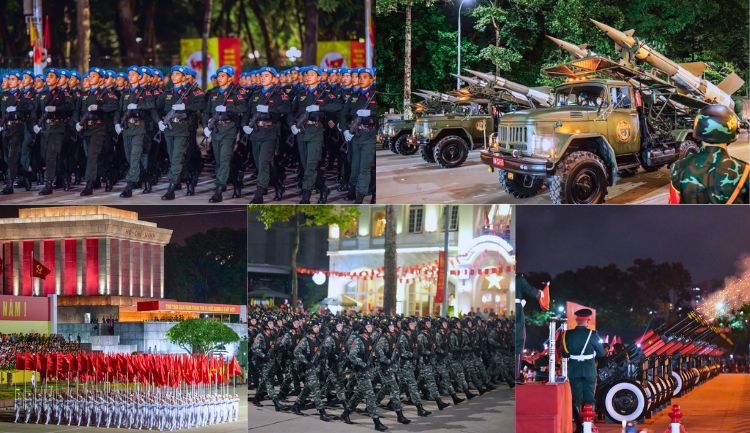
For travelers, this means two things: first, it is wise to check updated schedules and official announcements about Independence Day events; second, even if weather limits outdoor activities, Hanoi will still offer a rich festive atmosphere. Cultural exhibitions, indoor performances, and patriotic displays across the capital ensure that the spirit of Independence Day will shine through, regardless of the rain.
What travelers should know about Typhoon Kajiki in Hanoi
For those planning a trip, the aftermath of Typhoon Kajiki in Hanoi highlights both the challenges and resilience of this historic city. While the floods caused chaos in transportation and disrupted daily routines, Hanoi’s spirit remained unshaken. Street vendors adapted, local authorities mobilized drainage efforts, and residents pushed forward through their soaked commutes.
Travelers should note that typhoon season in Northern Vietnam typically runs from June to November. Heavy rainfall and localized flooding are possible during this period, so keeping flexible plans, monitoring weather updates, and choosing safe transport options are essential.
Even in stormy weather, Hanoi offers enriching indoor experiences. Museums, temples, and cultural shows remain welcoming spaces where travelers can continue exploring history and heritage while waiting for clearer skies.
Discover Hanoi with passionate local guides
If you are planning to visit Hanoi after following the news of Typhoon Kajiki, consider exploring the city with those who know it best. The Hanoi Free Private Tour Guide Club is made up of young, dynamic volunteers passionate about sharing the capital’s cultural and historical treasures. Their mission is to preserve and pass down Vietnam’s beautiful values, while helping international friends discover Hanoi’s authentic charm.
From hidden alleys in the Old Quarter to the legends of Hoàn Kiếm Lake, from French colonial boulevards to the resilience of local life during storms, these guides will help you experience a deeper Hanoi beyond what guidebooks can offer.
________________________________________
HANOI FREE PRIVATE TOUR GUIDE
✤ Website: Hanoi Free Private Tour Guide
✤ Adress: 158 Chua Lang, Dong Da, Hanoi
✤ Hotline: (+84) 97 63 69 796
✤ Mail: hanoifreeprivatetourguide@gmail.com
✤ English Course: Efis English
Read more
✧ Vietnam’s 80th National Day: Grand Parade and Fireworks in Hanoi
✧ Flavors of Vietnam’s capital through a Hanoi local Tour